Insulation
R-Value by Climate Zone — 2026 DOE Insulation Chart (Attic / Wall / Basement)
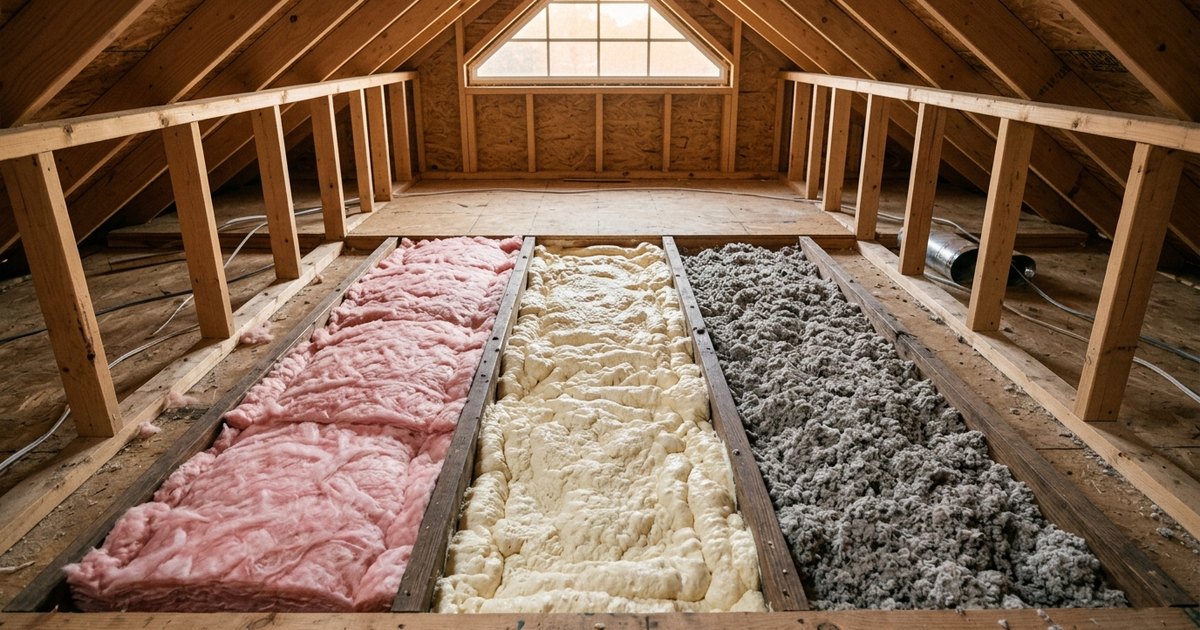
How much insulation do I actually need? It depends on your DOE climate zone (1-8, hot to cold) and which part of the house you're insulating. The chart below is the 2026 DOE-recommended R-value table for residential retrofits, plus a "what R-value you probably already have" reference so you can estimate the gap before getting quotes.
DOE climate zone map — the basics
- Zone 1 (very hot, humid): Southern Florida, Hawaii, southernmost Texas tip.
- Zone 2 (hot): Central + northern Florida, southern Texas, southern California, southern Arizona, southern Louisiana.
- Zone 3 (warm): Most of Georgia, Alabama, Mississippi, northern Florida, central Texas, central California, central Arizona, NC coast.
- Zone 4 (mixed): Most of Virginia, North Carolina, Tennessee, Kentucky, Missouri, Kansas, New Mexico, central California.
- Zone 5 (cool): Most of NY, PA, OH, IL, IN, MO, IA, NE, NV, UT, OR, WA.
- Zone 6 (cold): MA, CT, NJ (north), NY (north), VT, WI, MI, MN (south), IA (north), MT, WY, ID.
- Zone 7 (very cold): MN (north), ND, ME (most), parts of MT, ID, WY, AK panhandle.
- Zone 8 (subarctic): Most of Alaska.
2026 DOE recommended R-value — by zone & cavity
| Climate zone | Attic | Wall (cavity) | Basement (interior) | Crawl space wall | Floor |
|---|---|---|---|---|---|
| Zone 1 | R-30 to R-49 | R-13 | N/A (no basements) | R-13 | R-13 |
| Zone 2 | R-30 to R-49 | R-13 | R-5 to R-10 | R-13 | R-13 |
| Zone 3 | R-30 to R-49 | R-13 to R-15 | R-5 to R-13 | R-13 | R-19 |
| Zone 4 | R-49 to R-60 | R-13 to R-15 | R-10 to R-13 | R-13 to R-19 | R-19 |
| Zone 5 | R-49 to R-60 | R-13 to R-21 | R-13 to R-15 | R-15 to R-19 | R-25 to R-30 |
| Zone 6 | R-49 to R-60 | R-15 to R-21 | R-15 to R-19 | R-15 to R-19 | R-25 to R-30 |
| Zone 7 | R-60 to R-75 | R-21+ | R-15 to R-19 | R-15 to R-19 | R-30 to R-38 |
| Zone 8 | R-60 to R-75 | R-21+ | R-19+ | R-19+ | R-38+ |
What R-value do you probably have today?
- Pre-1960 home, original insulation: Attic R-0 to R-13. Walls often empty or stuffed with newsprint/rags.
- 1960s-1970s home: Attic R-11 to R-19. Walls R-7 to R-11.
- 1980s home: Attic R-19 to R-30. Walls R-11.
- 1990s home: Attic R-30 to R-38. Walls R-13.
- 2000s home (IECC 2003): Attic R-38. Walls R-13 to R-15.
- 2010s home (IECC 2012): Attic R-49. Walls R-19 to R-21.
- Post-2018 home (IECC 2018+): Attic R-49 to R-60. Walls R-20+5 ci (continuous insulation).
Quick depth-to-R conversion (blown-in cellulose)
- 4 inches → R-15
- 6 inches → R-22
- 8 inches → R-30
- 10 inches → R-38
- 13 inches → R-49
- 16 inches → R-60
- 20 inches → R-75
Insulation R-value FAQs
What is R-value? R-value is a measure of thermal resistance — how well an insulating material resists heat flow. Higher R-value means better insulation. R-value is rated per inch of material (e.g., R-3.7/inch for cellulose) or for a finished assembly (e.g., R-49 attic).
What R-value do I need for my attic? Depends on climate zone. Zones 1-3 (hot/warm): R-30 to R-49. Zones 4-6 (mixed to cold): R-49 to R-60. Zones 7-8 (very cold): R-60 to R-75. Most US homes need R-49 attic minimum to hit current best-practice levels.
Can you have too much insulation? Practically, no. Diminishing returns kick in around R-60 in zone 5 / R-75 in zone 7 — each additional R-value point delivers less energy savings than the previous one. But over-insulating doesn't cause moisture or structural problems if the air-sealing and ventilation are done correctly.
What R-value is best for walls? Cavity insulation alone tops out around R-21 in a standard 2x6 framed wall (or R-15 in 2x4). To exceed that, you need exterior continuous insulation (ci) — rigid foam or mineral wool on the outside of the sheathing. Modern code in zones 5+ specifies R-20+5 ci for that reason.
Does R-value degrade over time? Cellulose: minimal degradation (under 5% over 30+ years). Spray foam: essentially permanent (closed-cell). Fiberglass batts: 4-6% R-value loss per decade due to settling. Blown-in fiberglass: 8-12% loss per decade. Always over-install fiberglass by 10-15% to account for settling.
Run the numbers. Use our insulation cost calculator for state-adjusted pricing to hit the recommended R-value, compare materials in the spray-foam vs blown-in vs batt guide, or read the attic insulation cost guide for the highest-ROI single project.