Financing
Personal Loan vs Credit Card for Small Renovations Under $10K (2026)
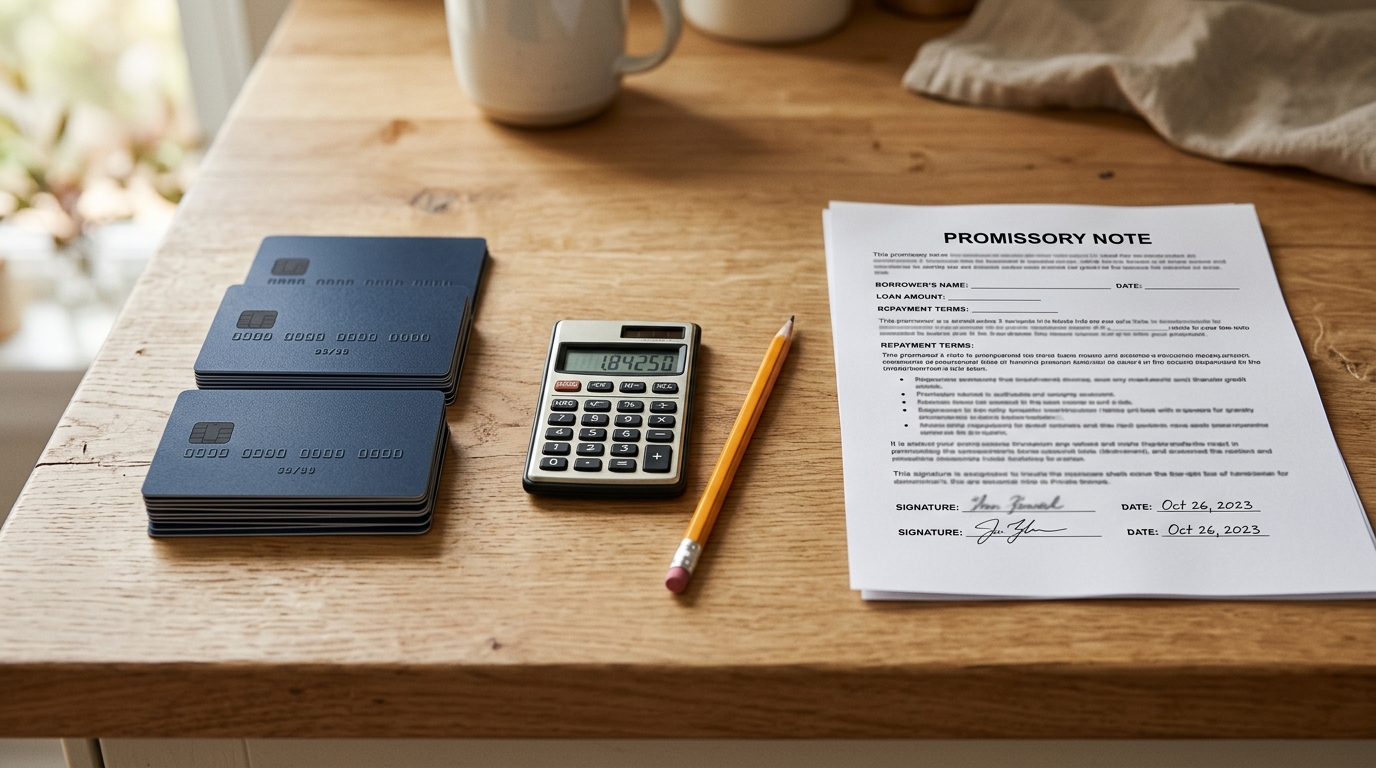
For renovations under $10K, home-equity products usually lose to faster, cheaper, smaller-balance tools. The real decision is between a personal loan, a 0% intro APR credit card, and cash. Here's the 2026 math on a representative $7,500 project (paint + new vanity + bathroom floor refresh).
Side-by-side: $7,500 renovation, Feb 2026 rates
| Factor | Personal Loan | 0% APR Intro Card | Cash from Savings |
|---|---|---|---|
| APR | 11.2 – 16.8% | 0% for 15–21 months → 22.9–28.5% | 0% (opportunity cost ≈4.4% HYSA) |
| Term | 2 – 7 years (3 yr typical) | Intro window only; revert APR after | N/A |
| Approval timeline | 1 – 7 days | Instant – 14 days | Same day |
| Origination fee | 0 – 8% (SoFi/LightStream: 0%) | 3% balance transfer (if applicable) | $0 |
| Credit score impact | −5 to −10 (1 hard pull, installment line) | −10 to −25 (utilization spike, new account) | None |
| Minimum credit score | 580+ available, 720+ for best rates | 700+ for 0% intro offers | N/A |
| Refund/recourse on contractor work | None (you owe the loan regardless) | Chargeback within 60 days (FCBA) | None (small claims only) |
The $7,500 example — total cost over 3 years
Personal loan @ 13.4% APR, 36 months
- Monthly payment: $254
- Total paid: $9,144
- Interest cost: $1,644
- Effective cost: $1,644 over 3 years
0% intro APR card, 18-month intro window
Best case (paid off in intro window):
- Required monthly payment to clear in 18 months: $417
- 3% balance transfer fee on day 1: $225
- Total interest: $0 (if paid off in 18 months)
- Effective cost: $225 (the transfer fee)
Worst case (carry balance past intro):
- Balance at month 19: $3,500 (paid $4,000 + $225 fee in intro window)
- Reverts to 25.9% APR
- Pay over 24 more months at $182/mo: $4,368 more = total interest paid $868
- Effective cost: $1,093 (with 3% transfer fee + post-intro interest)
Worst-worst case (deferred-interest card — back-billed):
- Balance at month 19: $3,500
- Full retroactive interest from day 1 at 28.9% APR back-billed: ≈$2,400 lump sum
- Effective cost: $2,625+ — worse than personal loan
Cash from savings
- Direct out-of-pocket: $7,500
- Opportunity cost (4.4% HYSA, 3 years if invested instead): $1,033 forgone
- Effective cost: $1,033 (opportunity cost only)
Decision matrix by scenario
Cash from savings wins when…
- You have liquid savings > 4 months emergency reserve AFTER paying for the project.
- The renovation is purely discretionary (cosmetic) and you'd otherwise feel "house poor."
- You have less than excellent credit and personal-loan rates are running >16% for your profile.
- You want zero credit-score impact.
0% intro APR card wins when…
- You can realistically pay off the full balance within the intro window. Run a hard math on the monthly payment required.
- The project is being delivered in stages and you want to charge contractor invoices for FCBA chargeback protection (a real safeguard against scope disputes).
- Your FICO is 720+ so you actually qualify for the best 18+ month intro offers (Chase Slate Edge, Wells Fargo Active Cash, Citi Double Cash all have 18-month 0% offers in early 2026).
- You're confident the card is true 0% APR (not deferred-interest). The disclosures will say "no interest if paid within X months" — those words signal deferred interest.
Personal loan wins when…
- Repaying within 18 months is unrealistic given your monthly cash flow.
- You want the discipline of a fixed monthly payment + automatic payoff in 36–60 months.
- Your credit is mid-tier (650–720) — you can get a 12–15% personal loan but won't qualify for the best 0% APR cards anyway.
- You're financing for $8K–$15K — beyond what most reasonable credit-card credit limits cover.
The FCBA chargeback edge case
The Fair Credit Billing Act gives credit-card users a powerful tool that personal-loan and cash payments lack: the right to dispute charges with the issuer within 60 days of statement date if the contractor doesn't deliver. Many homeowners don't realize this, but credit-card-funded renovations DO offer recourse if a contractor disappears mid-project — the card issuer will provisionally credit your account while they investigate, and the contractor has to defend the work product. This is worth real money on contractor-quality risk, especially with unfamiliar contractors. Personal loans and cash have no such protection.
The hidden cost of credit cards: utilization spike
Charging $7,500 to a new credit card spikes your credit utilization ratio sharply — often from healthy 10–20% to 60–90%. This can drop your FICO score by 20–40 points temporarily, even on a 0% APR card. If you're planning to apply for a mortgage, refi, or auto loan within 6 months, that score drop materially raises your rate or even disqualifies you. Personal loans show as a fixed installment account (no utilization impact) and typically drop your score by only 5–10 points.
Bottom line
For a $5K–$10K renovation: 0% APR intro card if you can pay off in 18 months (cheapest + adds FCBA contractor protection). Personal loan if you can't (predictable, no deferred-interest trap, smaller credit-score hit). Cash if you have ample reserves and want zero hassle.
Related: Contractor Financing Scams to Avoid · Home Equity vs Personal Loan (for larger projects)
Sources & methodology
Credit card APR data: CFPB Credit Card Database 2025 H2, Bankrate weekly survey Feb 2026. Personal loan rates: SoFi, LightStream, Marcus, Upstart, Best Egg, Discover Personal Loans Feb 2026 rate cards. HYSA rates: top 10 banks per NerdWallet ranking. FCBA recourse per 15 U.S.C. § 1666.