HVAC
What SEER Rating Do I Need? 2026 SEER2 Requirements by State + Climate Zone
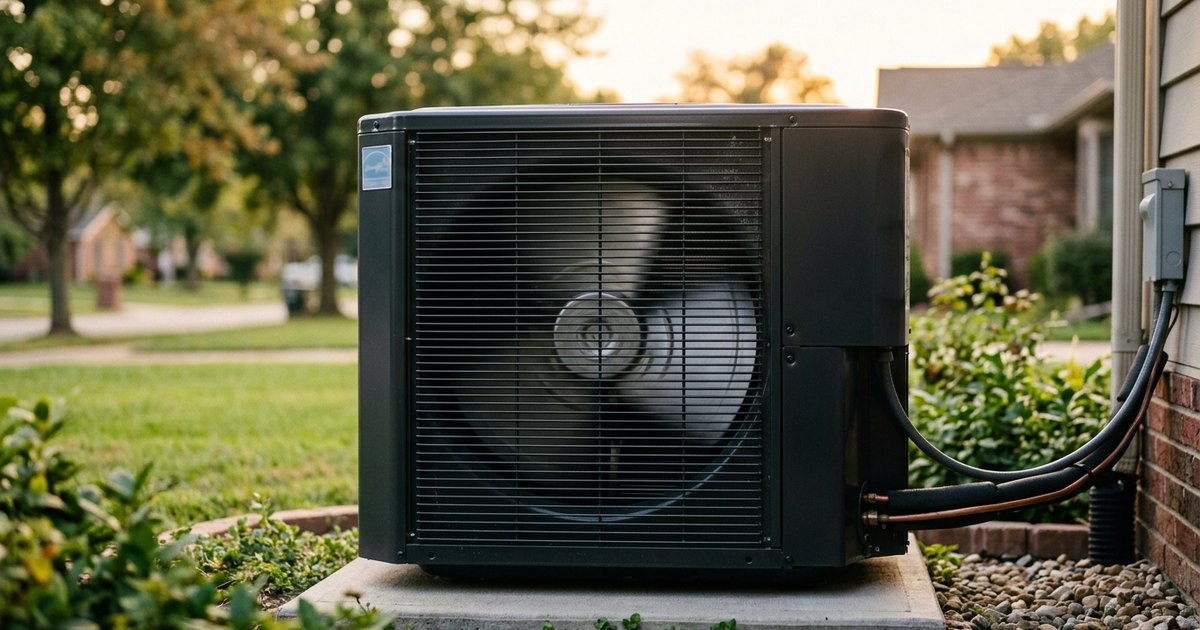
What SEER rating do I need? The federal minimum in 2026 is SEER2 13.4 in the northern US and SEER2 14.3 in the southern US (Sun Belt). But minimum is rarely the smartest pick — and the right answer depends on your climate, electricity price, how long you plan to stay in the house, and whether you can claim the federal 25C credit. Here is the honest breakdown.
SEER vs SEER2 — the 2023 standard change
SEER (Seasonal Energy Efficiency Ratio) became SEER2 in January 2023 under the DOE's revised test procedure. The new test uses higher external static pressure (0.5 in WC vs old 0.1) to better reflect real-world ductwork. Result: SEER2 numbers are ~4.5% lower than the equivalent old-SEER. A SEER 14 unit is approximately SEER2 13.4. Confusingly, both ratings are still in use on equipment built before 2023.
2026 federal minimum SEER2 by region
- Northern states (cooler-climate): SEER2 13.4 minimum for split-system AC.
- Southern states (Sun Belt — AZ, CA south, FL, GA, HI, LA, MS, NM, NV, OK, SC, TX): SEER2 14.3 minimum for split-system AC.
- Heat pumps (all states): SEER2 14.3 / HSPF2 7.5 minimum.
Recommended SEER2 by climate zone (2026)
| Climate zone | Example states | Recommended SEER2 | Why |
|---|---|---|---|
| 1-2 (very hot) | FL, southern TX, AZ, HI | SEER2 16-18 | 2,200+ runtime hours/year; high-efficiency payback in 4-6 years. |
| 3 (warm) | GA, AL, NC, SC, southern CA | SEER2 15-17 | 1,700-2,200 runtime hours; SEER2 16 sweet spot. |
| 4 (mixed) | TN, KY, VA, MO, KS, NM | SEER2 15-16 | 1,200-1,700 runtime hours; minimum acceptable + 1-2 tiers up. |
| 5 (cool) | NY, MA, OH, IL, PA, MI | SEER2 14.3-16 | 700-1,200 runtime hours; bigger investments don't pay back as fast. |
| 6-7 (cold) | MN, ME, VT, MT, ND | SEER2 14.3-15 | Under 700 runtime hours. Prioritize HSPF2 (heating) over SEER2. |
Operating-cost difference — by SEER2 tier
For a 3-ton system in mixed-climate (1,200 runtime hours/year, electricity at $0.16/kWh):
- SEER2 13.4 (federal min): ~$520/year cooling cost.
- SEER2 15: ~$465/year. Annual savings vs minimum: $55.
- SEER2 16: ~$435/year. Annual savings vs minimum: $85.
- SEER2 18: ~$390/year. Annual savings vs minimum: $130.
- SEER2 21+: ~$335/year. Annual savings vs minimum: $185.
In a hot climate (2,200 runtime hours, electricity at $0.18/kWh), multiply all the savings numbers by roughly 2.5×. SEER2 18 in Phoenix saves ~$325/year vs SEER2 13.4 minimum — pays back the equipment premium in 4-5 years.
Equipment-cost premium by SEER2 tier (3-ton system)
- SEER2 13.4-14.3 (federal min): Baseline. ~$5,800-$9,200 installed for new central AC.
- SEER2 15-16: +$400-$900 over minimum. Usually the best-value tier.
- SEER2 17-18: +$1,200-$2,400 over minimum. Justified in hot climates only.
- SEER2 20+: +$3,000-$5,500 over minimum. Top-tier variable-speed equipment; justified only in extreme-load hot-climate homes.
SEER2 + the federal 25C credit
- SEER2 16+ central AC: Qualifies for federal 25C credit at $600 (capped).
- SEER2 15+ heat pump: Qualifies for federal 25C credit at $2,000 (capped).
- SEER2 18+ Energy Star-Most Efficient tier: Higher utility rebates ($150-$800 from many utilities). Stacks with 25C.
SEER2 FAQs
What is the difference between SEER and SEER2? SEER2 uses a stricter test procedure (higher static pressure) introduced in 2023. SEER2 ratings are ~4.5% lower than the old SEER equivalent. A SEER 14 system is approximately SEER2 13.4. Both numbers describe the same physical system.
What is the highest SEER2 rating available? Top-tier residential equipment reaches SEER2 24-26. Common on variable-speed inverter heat pumps from Lennox, Carrier Infinity, Trane XV20i, Bosch IDS Ultra. Above SEER2 21 the equipment premium rarely pays back outside of extreme hot climates.
What SEER2 do I need for the 25C tax credit? Central AC: SEER2 16 or higher AND EER2 12+. Heat pump: SEER2 15.2+ / HSPF2 8.1+ / EER2 10+. Verify your specific model is on the Energy Star Most Efficient list before claiming the credit.
Does higher SEER2 mean longer lifespan? No — SEER2 measures efficiency, not durability. Highest-SEER2 systems often have more complex variable-speed compressors with shorter average lifespan than simpler single-stage units. Real-world data shows mid-tier SEER2 15-17 systems often outlast SEER2 20+ systems.
Is SEER2 16 worth it? Almost always yes. The equipment premium over SEER2 13.4 runs $400-$900 and the 25C credit is $600 — so the net premium is often zero or slightly negative. SEER2 16 is the rare "free upgrade" in HVAC.
Run the numbers. Use our HVAC cost calculator for state-adjusted SEER2-tier pricing, or read the central AC vs heat pump comparison for the broader decision.