Atlas variant · Quick-resale edition
Quick-resale flooring picks by state — 2026.
For flip-house investors and time-sensitive sellers. Each state's quick-resale score combines projected flooring ROI with 2026 median days-on-market — a 30-day market doubles the effective payback velocity of a 60-day market. National average DOM: 45 days.
50 states · DOM data sourced from Realtor.com 2025-Q4 / 2026-Q1 medians
| State | Median DOM | ROI | Install cost | Quick-resale score | |
|---|---|---|---|---|---|
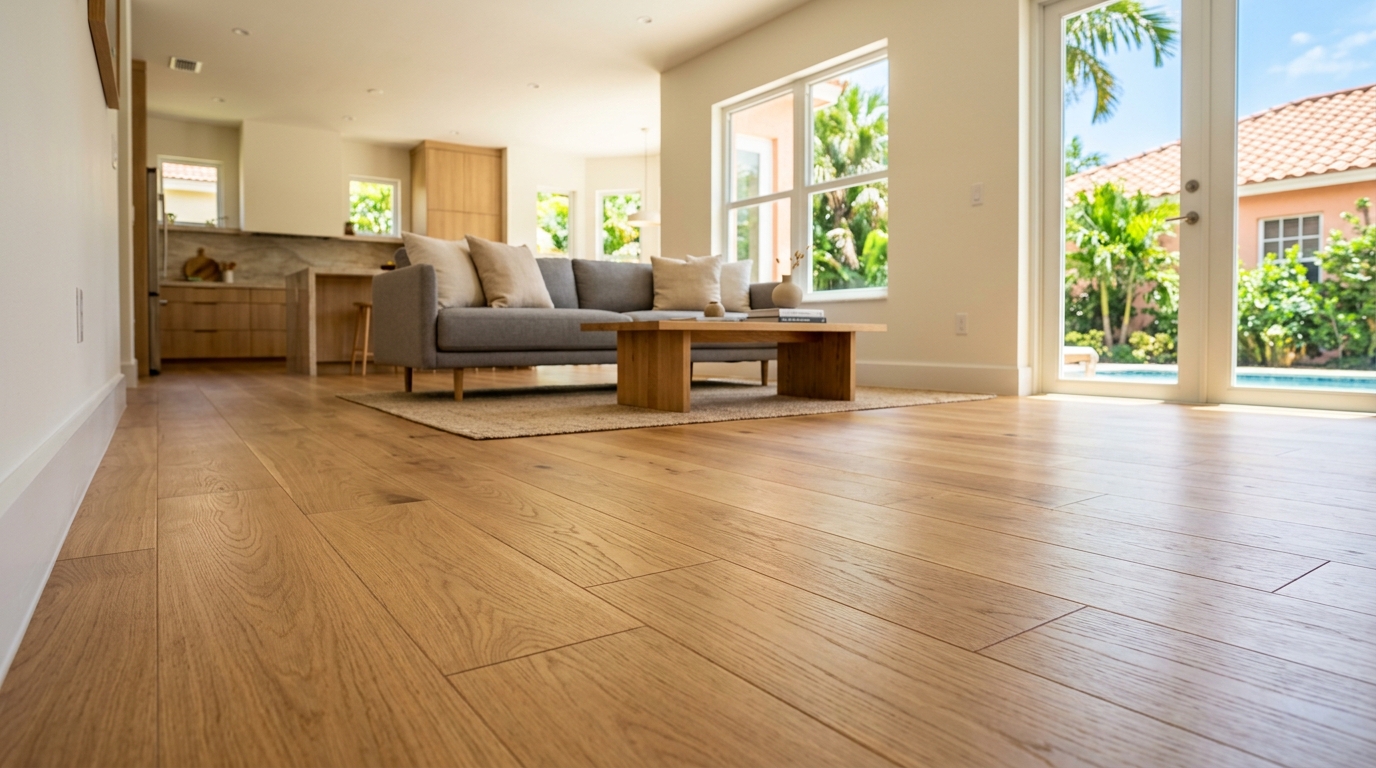 FLFlorida FLFlorida | 30d | 74% | $15,400 | 148 | Read guide |
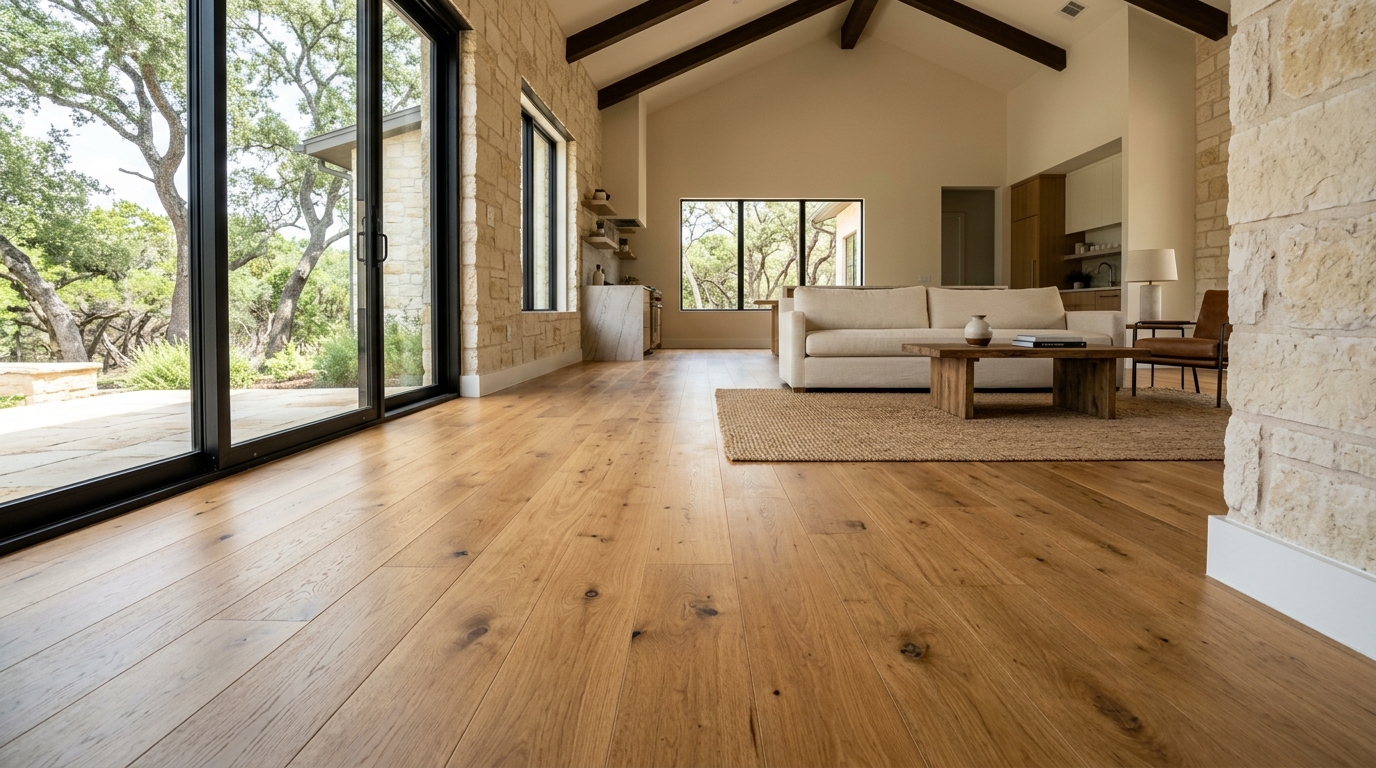 TXTexas TXTexas | 30d | 73% | $15,400 | 146 | Read guide |
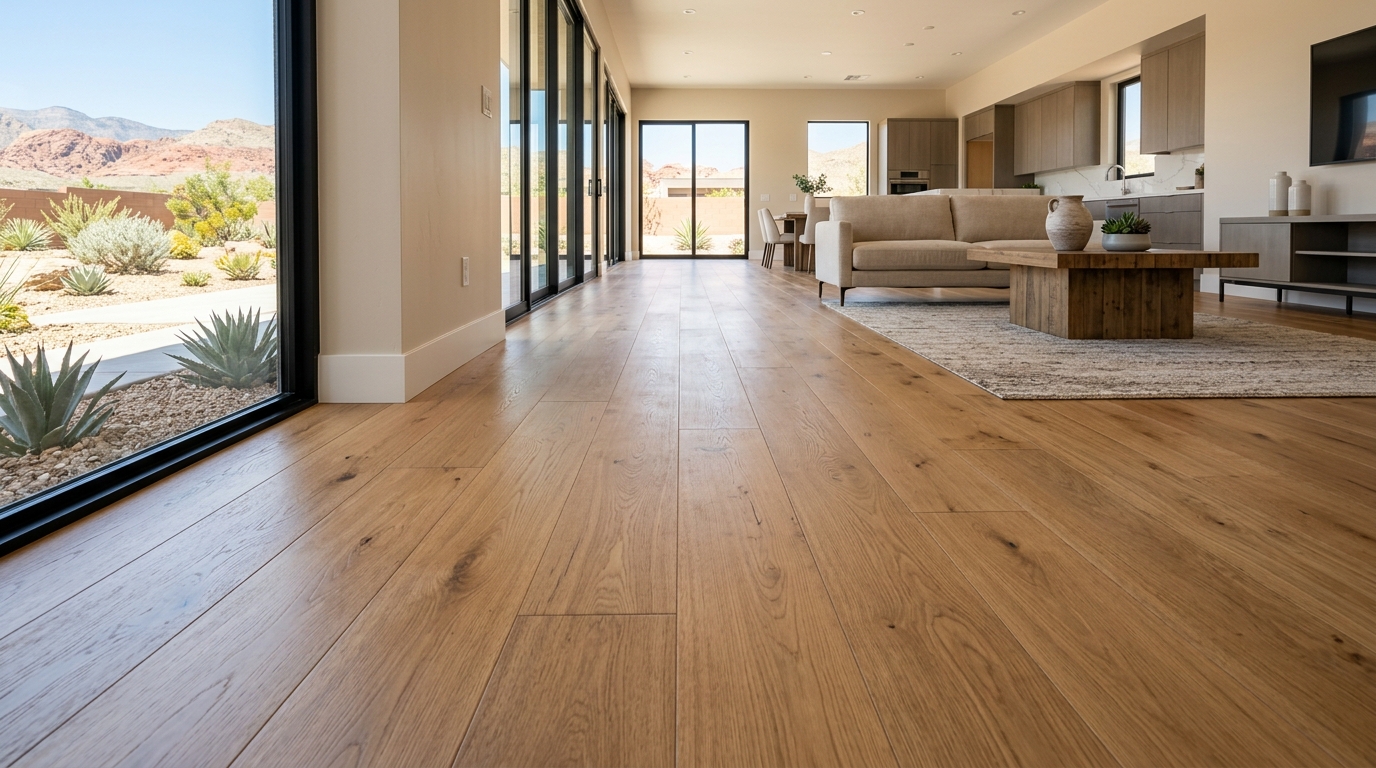 NVNevada NVNevada | 30d | 70% | $16,200 | 140 | Read guide |
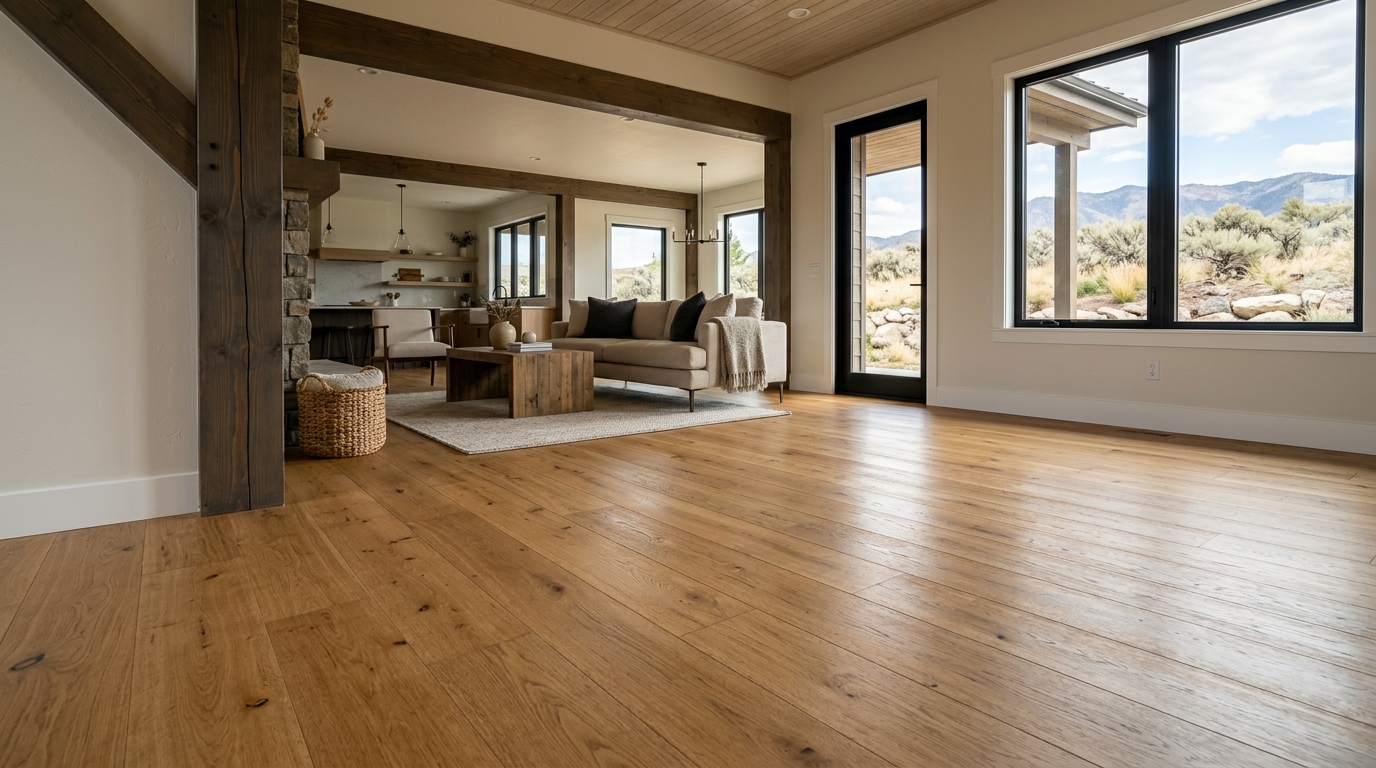 IDIdaho IDIdaho | 30d | 69% | $14,200 | 138 | Read guide |
 COColorado COColorado | 30d | 68% | $17,700 | 136 | Read guide |
 UTUtah UTUtah | 30d | 68% | $15,700 | 136 | Read guide |
 AZArizona AZArizona | 35d | 72% | $15,400 | 123 | Read guide |
 NCNorth Carolina NCNorth Carolina | 35d | 72% | $15,100 | 123 | Read guide |
 GAGeorgia GAGeorgia | 35d | 70% | $14,800 | 120 | Read guide |
 SCSouth Carolina SCSouth Carolina | 35d | 70% | $14,700 | 120 | Read guide |
 TNTennessee TNTennessee | 35d | 70% | $14,300 | 120 | Read guide |
 OROregon OROregon | 35d | 65% | $17,300 | 111 | Read guide |
 WAWashington WAWashington | 35d | 65% | $18,200 | 111 | Read guide |
 CACalifornia CACalifornia | 40d | 65% | $21,600 | 98 | Read guide |
 CTConnecticut CTConnecticut | 40d | 65% | $20,000 | 98 | Read guide |
 DEDelaware DEDelaware | 40d | 65% | $16,200 | 98 | Read guide |
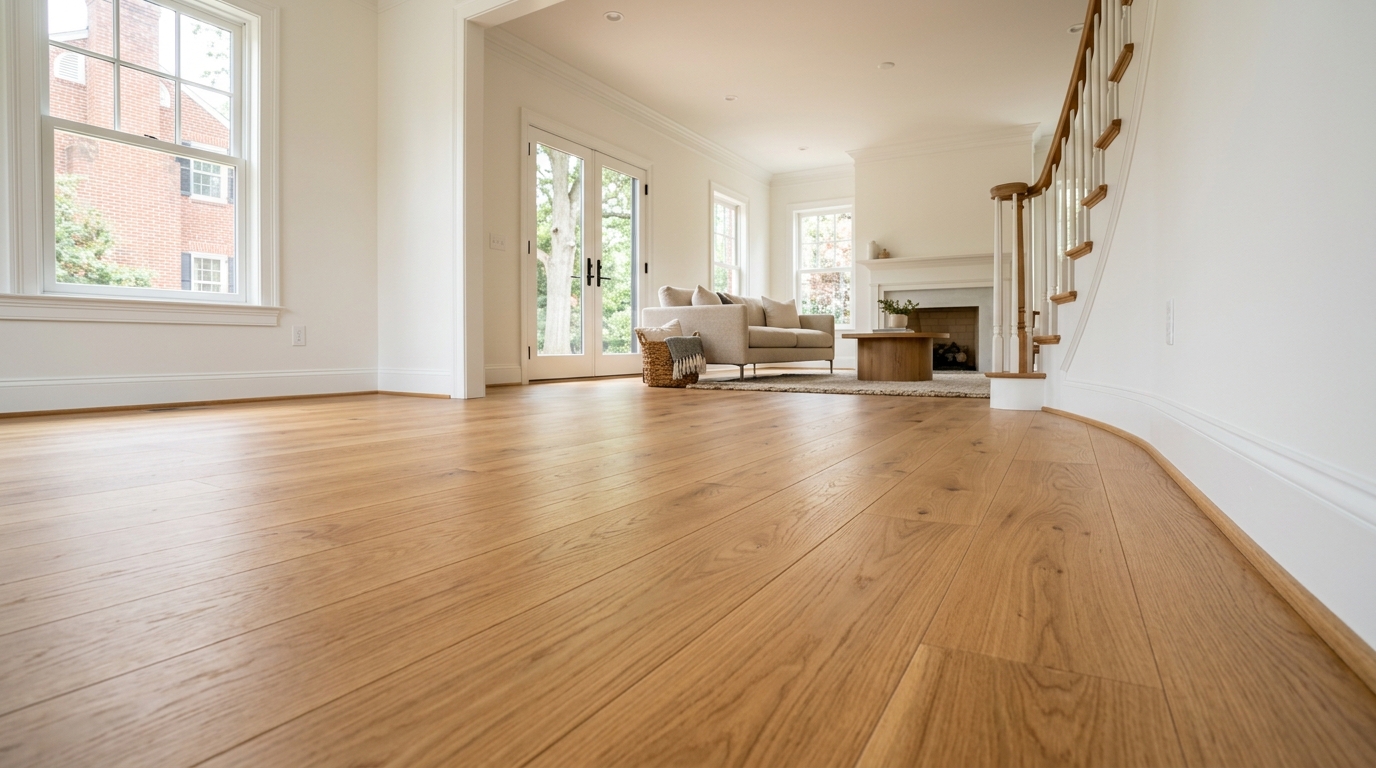 MDMaryland MDMaryland | 40d | 65% | $18,500 | 98 | Read guide |
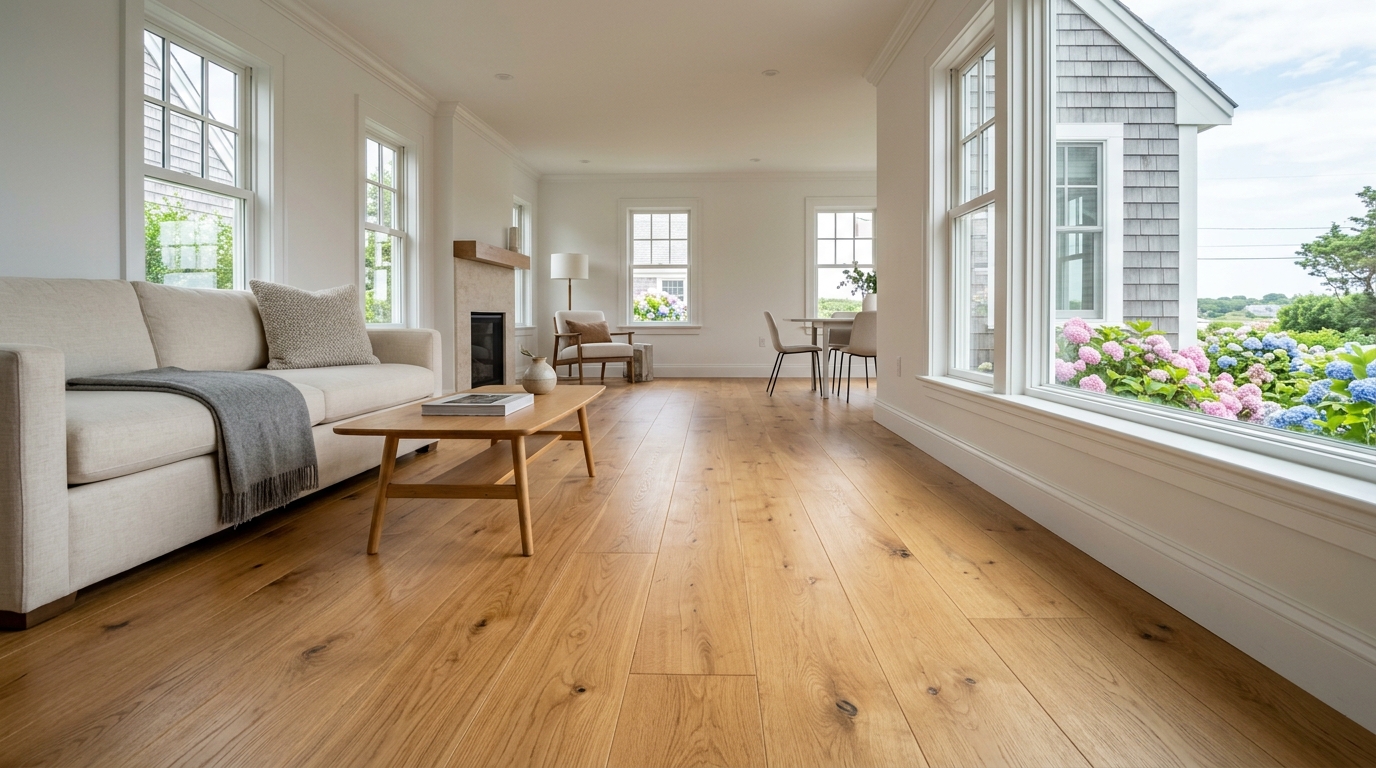 MAMassachusetts MAMassachusetts | 40d | 65% | $20,400 | 98 | Read guide |
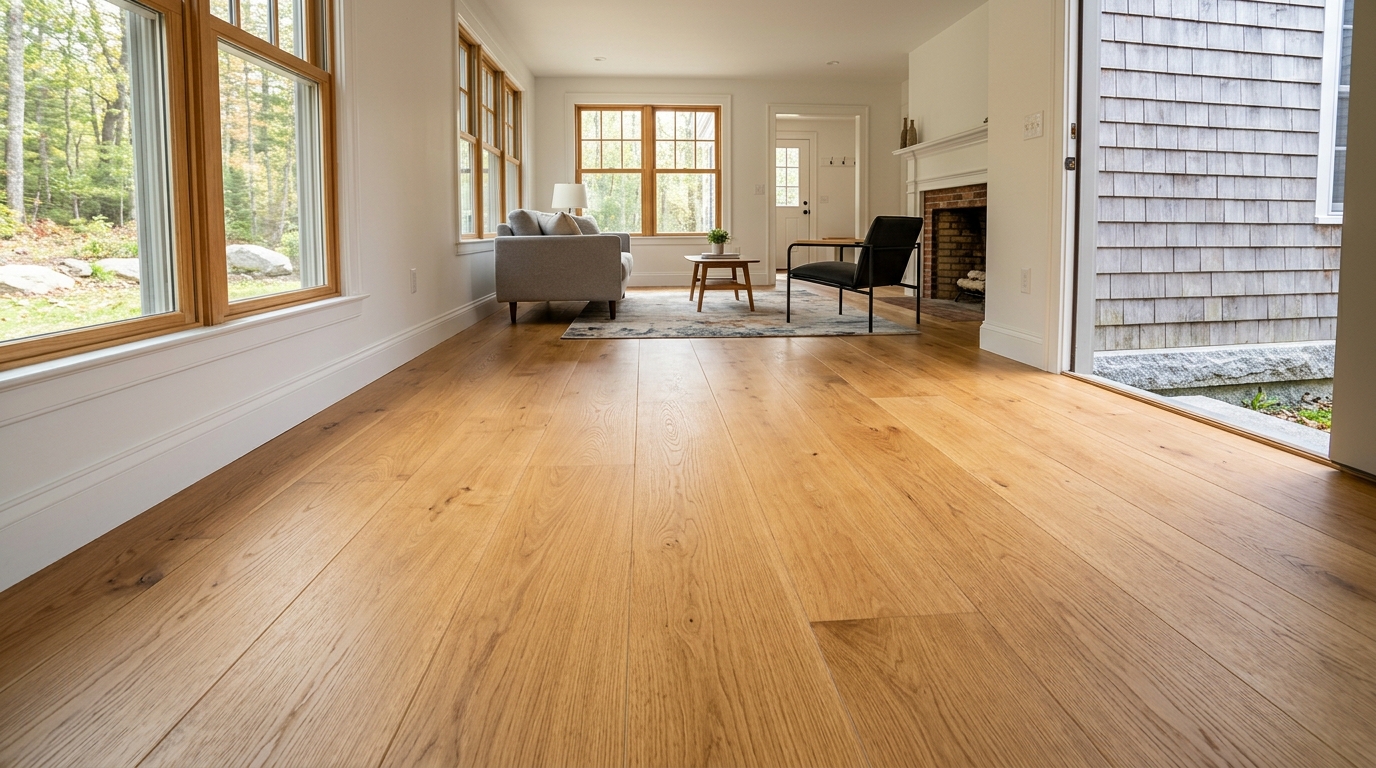 NHNew Hampshire NHNew Hampshire | 40d | 65% | $17,700 | 98 | Read guide |
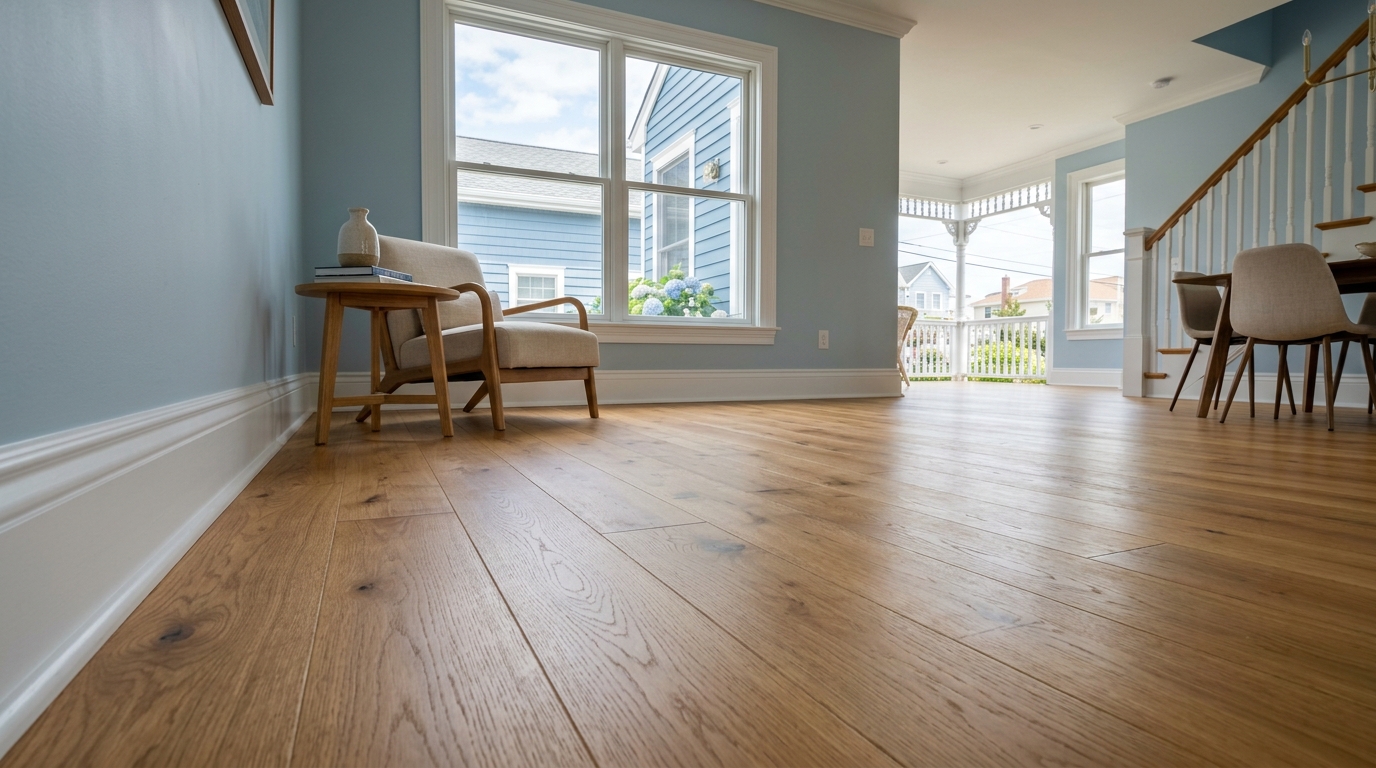 NJNew Jersey NJNew Jersey | 40d | 65% | $19,700 | 98 | Read guide |
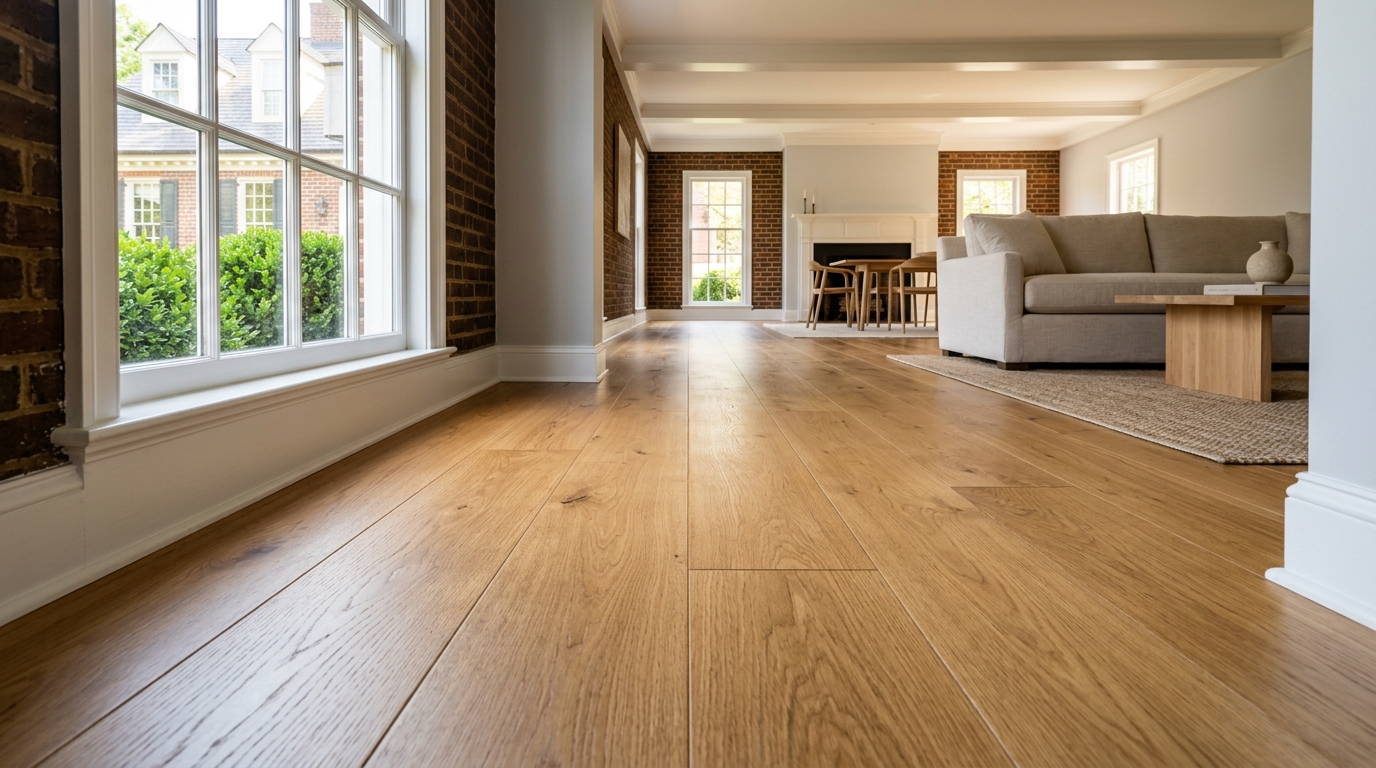 VAVirginia VAVirginia | 40d | 65% | $16,600 | 98 | Read guide |
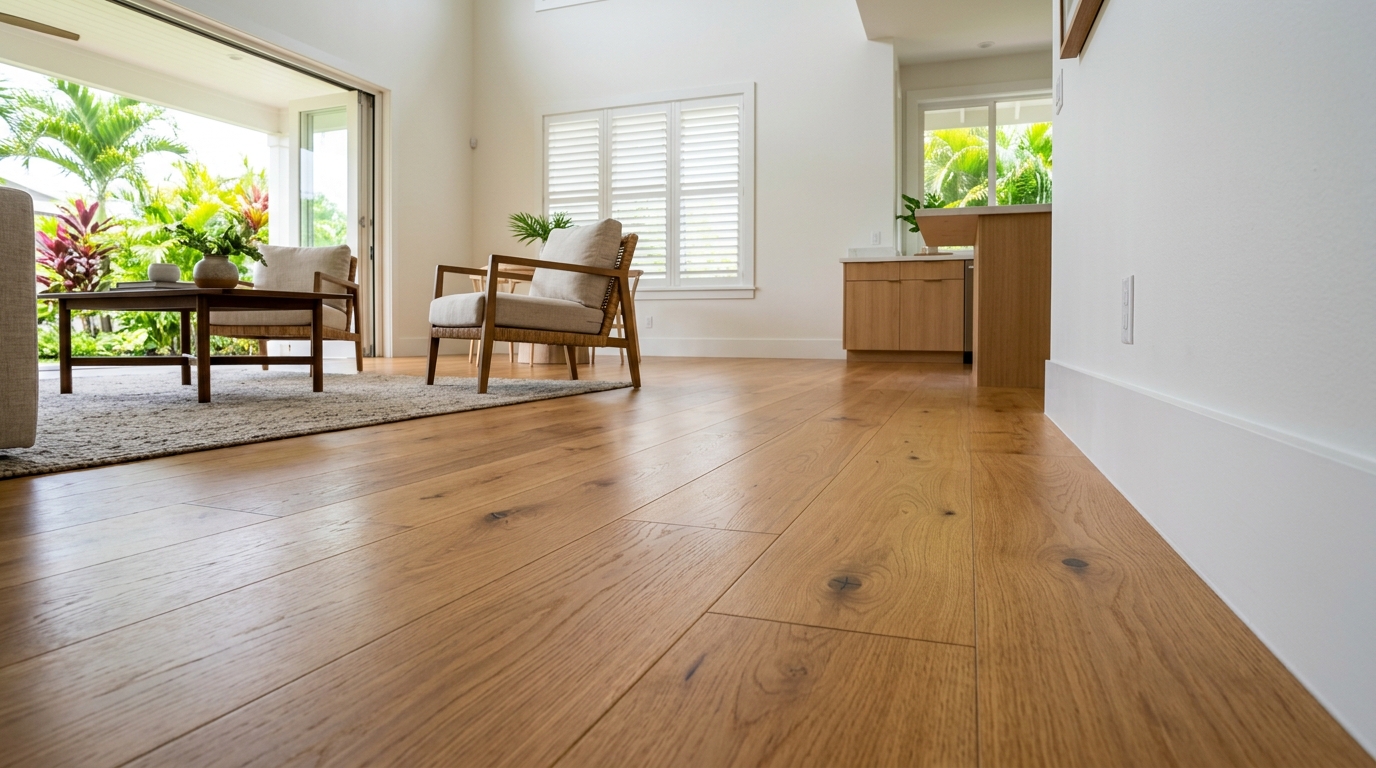 HIHawaii HIHawaii | 45d | 65% | $23,900 | 87 | Read guide |
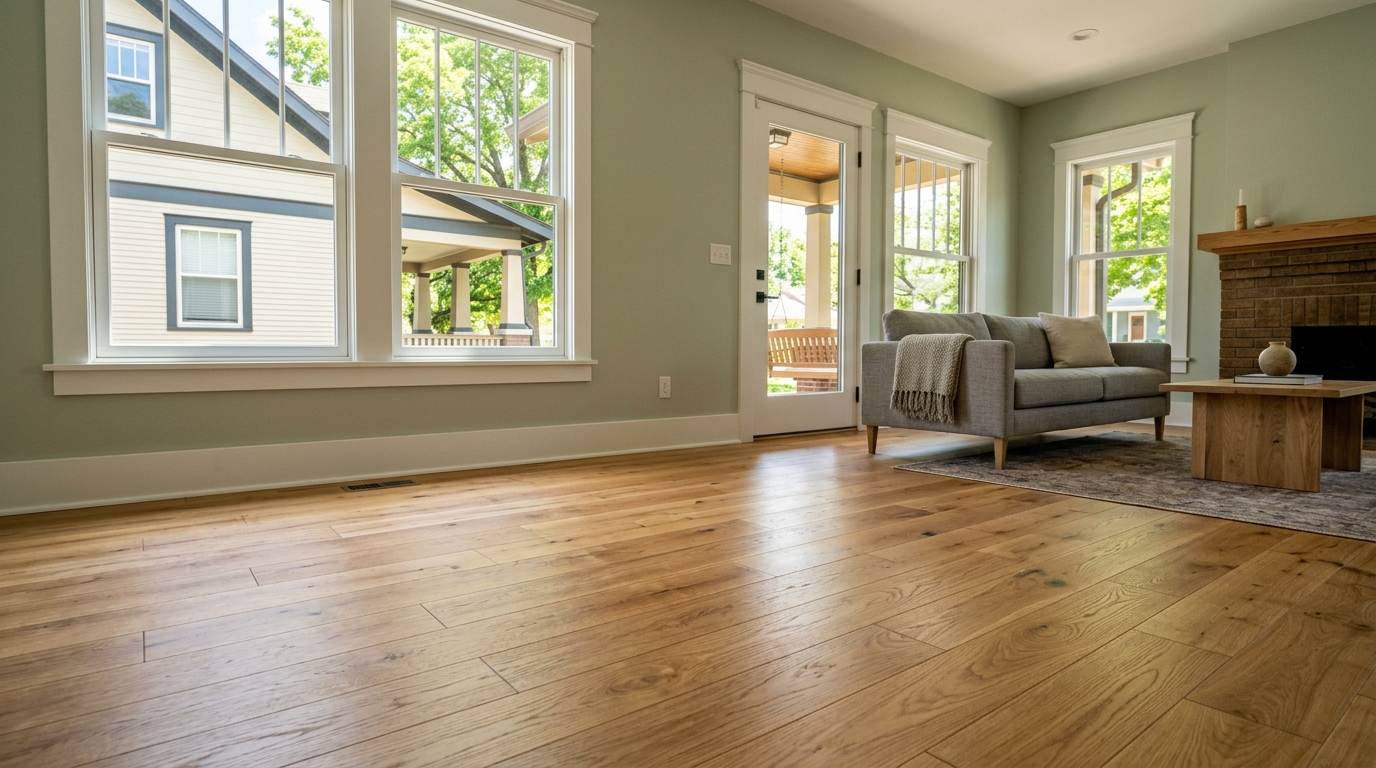 INIndiana INIndiana | 45d | 65% | $13,600 | 87 | Read guide |
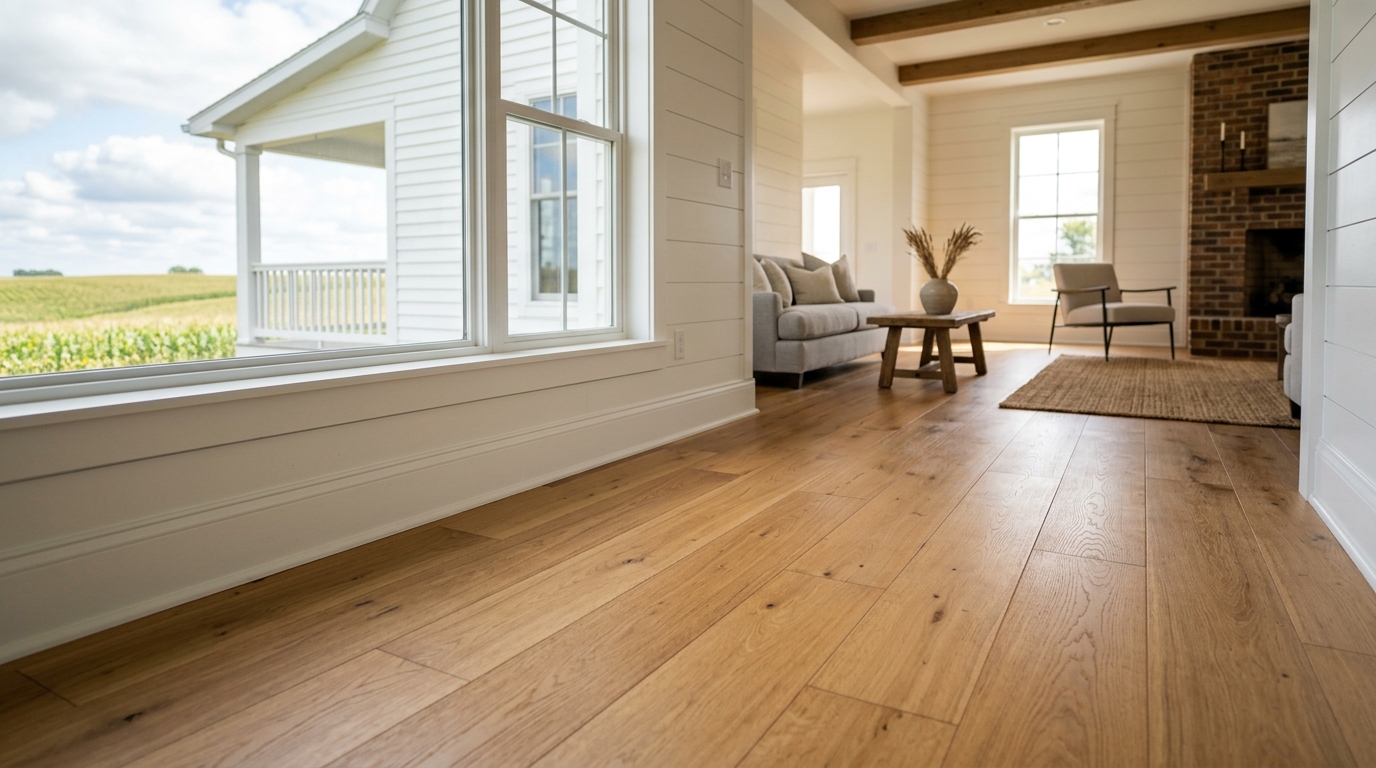 IAIowa IAIowa | 45d | 65% | $13,200 | 87 | Read guide |
 MIMichigan MIMichigan | 45d | 65% | $14,000 | 87 | Read guide |
 MNMinnesota MNMinnesota | 45d | 65% | $15,400 | 87 | Read guide |
 MOMissouri MOMissouri | 45d | 65% | $14,000 | 87 | Read guide |
 OHOhio OHOhio | 45d | 65% | $14,200 | 87 | Read guide |
 RIRhode Island RIRhode Island | 45d | 65% | $18,800 | 87 | Read guide |
 WIWisconsin WIWisconsin | 45d | 65% | $14,300 | 87 | Read guide |
 NENebraska NENebraska | 50d | 65% | $13,400 | 78 | Read guide |
 NYNew York NYNew York | 50d | 65% | $21,600 | 78 | Read guide |
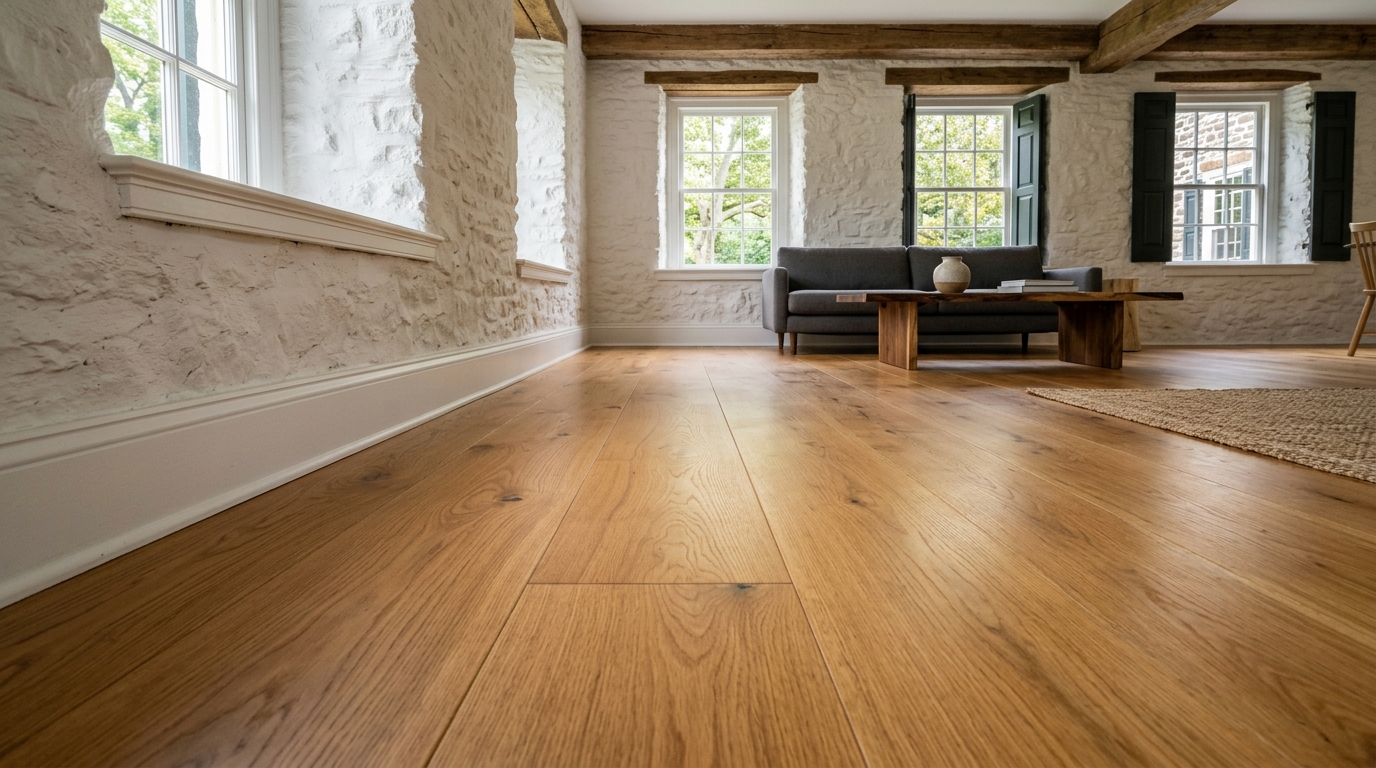 PAPennsylvania PAPennsylvania | 50d | 65% | $15,700 | 78 | Read guide |
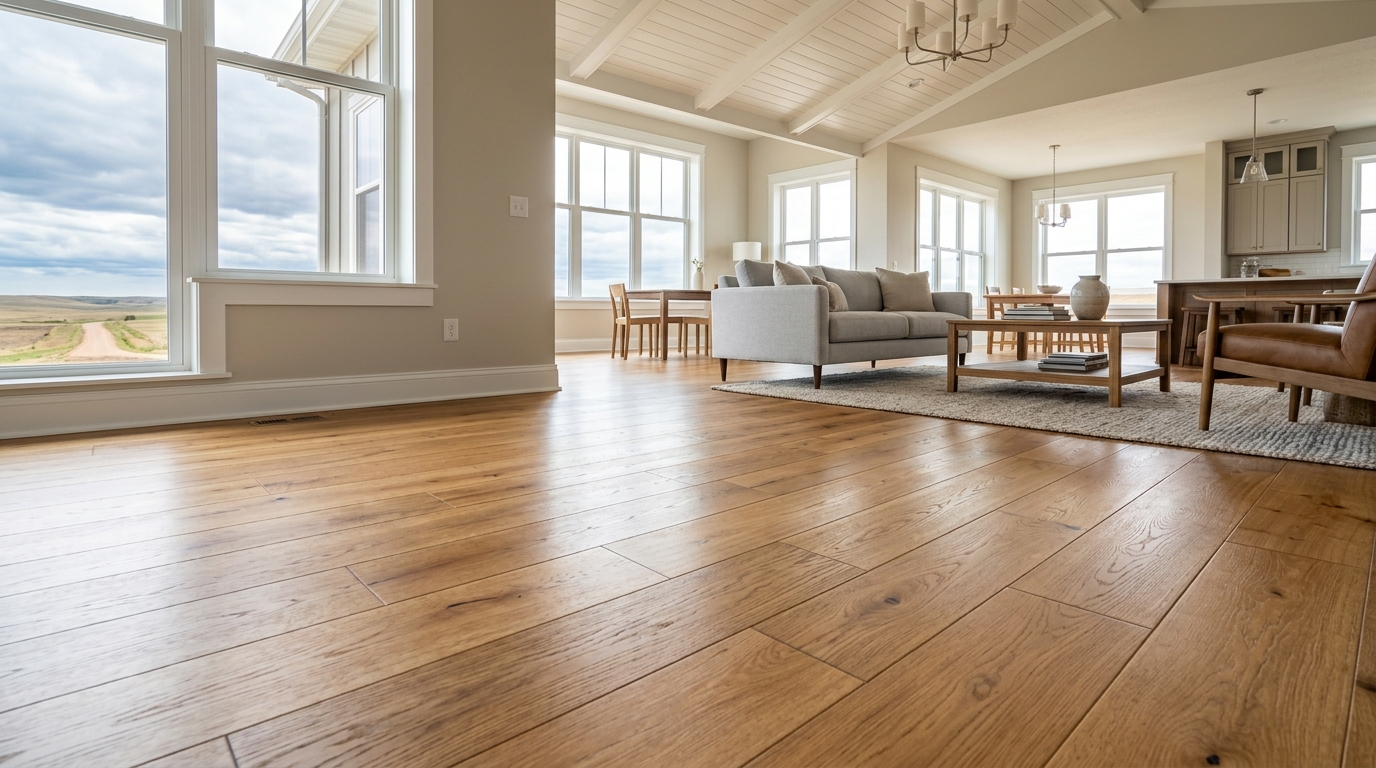 SDSouth Dakota SDSouth Dakota | 50d | 65% | $13,100 | 78 | Read guide |
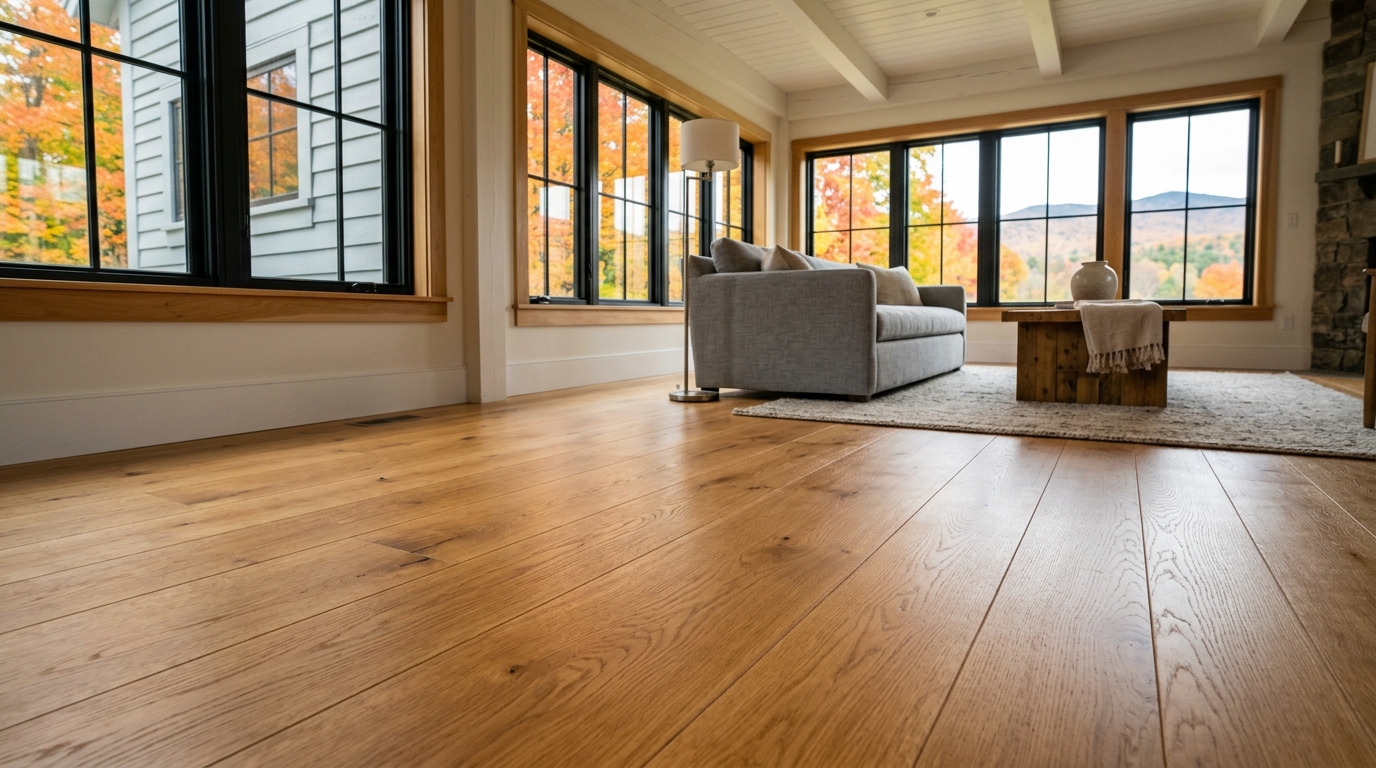 VTVermont VTVermont | 50d | 65% | $17,000 | 78 | Read guide |
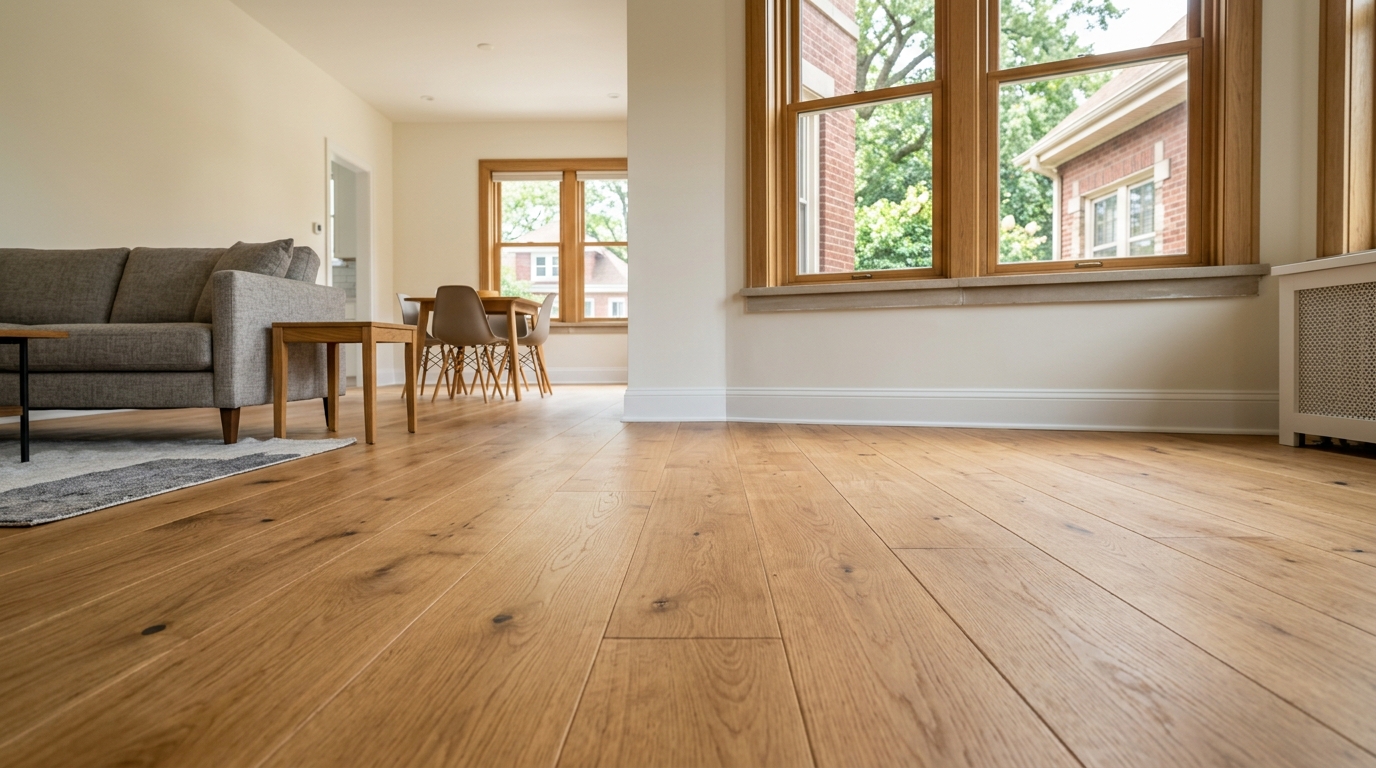 ILIllinois ILIllinois | 50d | 63% | $14,700 | 76 | Read guide |
 MEMaine MEMaine | 55d | 65% | $17,300 | 71 | Read guide |
 MTMontana MTMontana | 55d | 65% | $15,000 | 71 | Read guide |
 NDNorth Dakota NDNorth Dakota | 55d | 65% | $13,200 | 71 | Read guide |
 KSKansas KSKansas | 55d | 62% | $13,600 | 68 | Read guide |
 KYKentucky KYKentucky | 55d | 62% | $13,900 | 68 | Read guide |
 NMNew Mexico NMNew Mexico | 55d | 62% | $14,500 | 68 | Read guide |
 ALAlabama ALAlabama | 55d | 61% | $13,200 | 67 | Read guide |
 OKOklahoma OKOklahoma | 55d | 61% | $13,200 | 67 | Read guide |
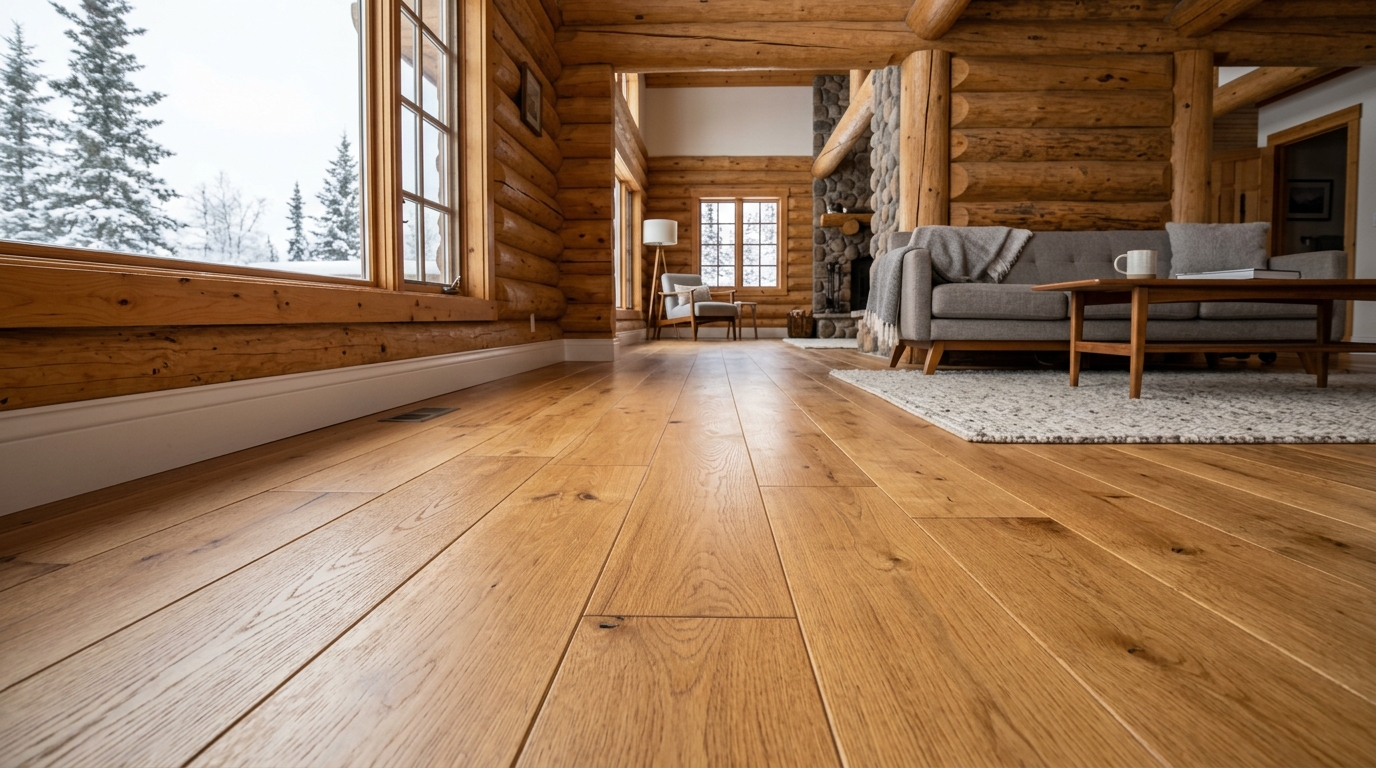 AKAlaska AKAlaska | 60d | 65% | $20,800 | 65 | Read guide |
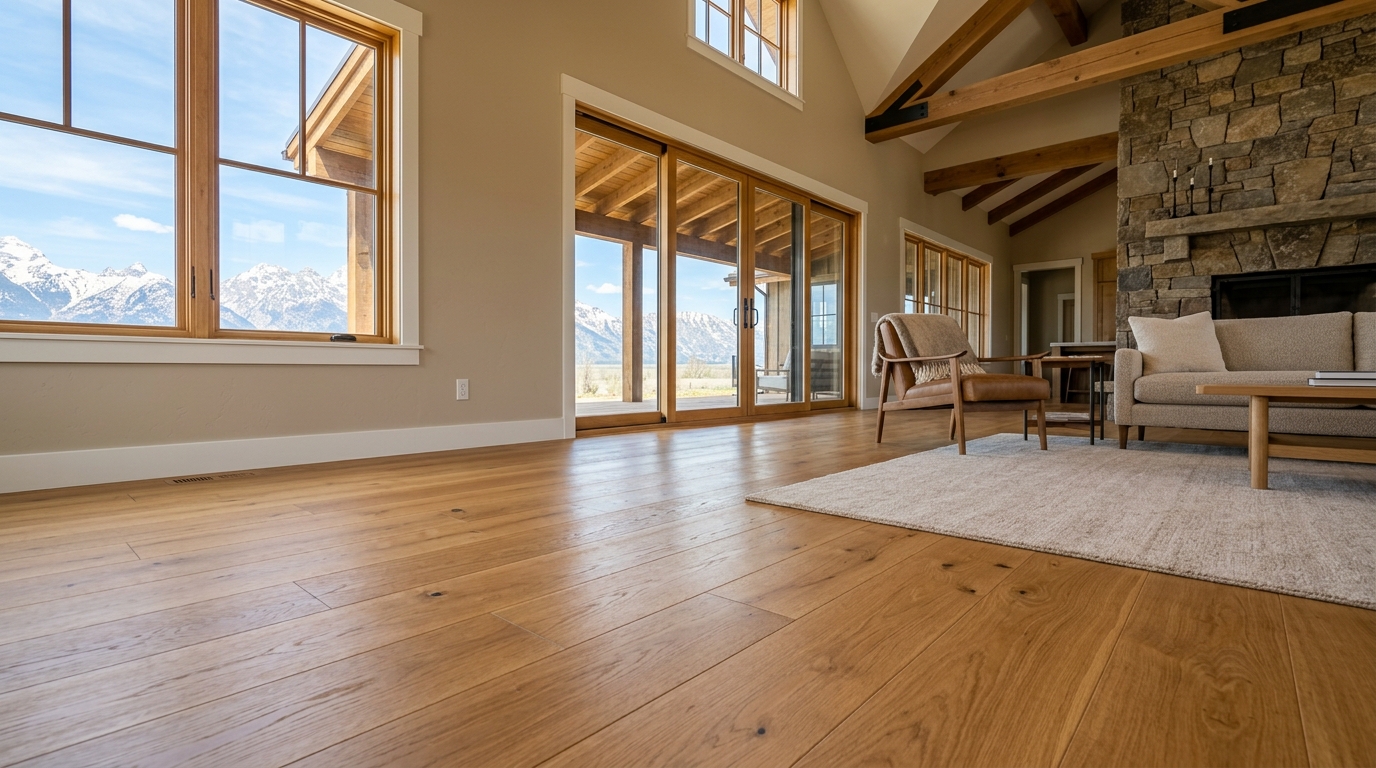 WYWyoming WYWyoming | 60d | 65% | $15,000 | 65 | Read guide |
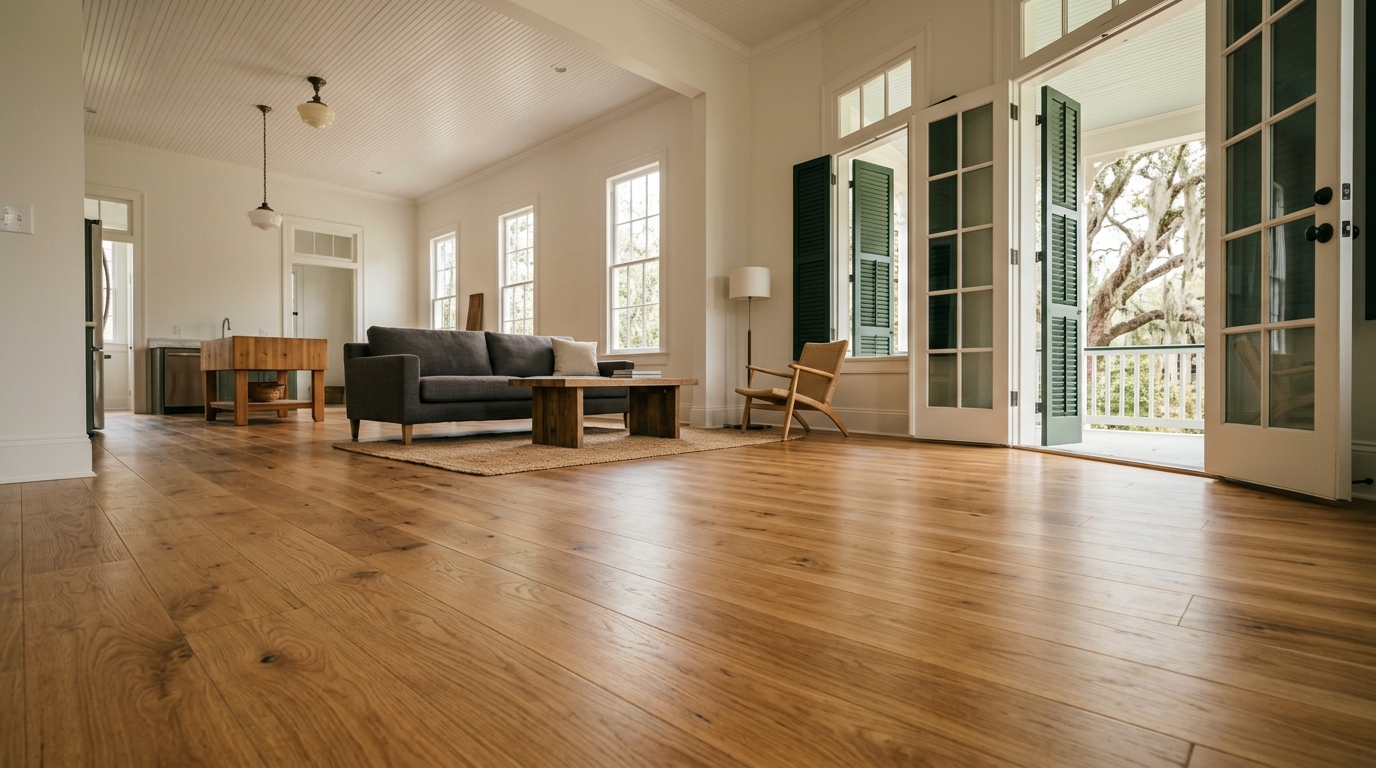 LALouisiana LALouisiana | 60d | 62% | $14,200 | 62 | Read guide |
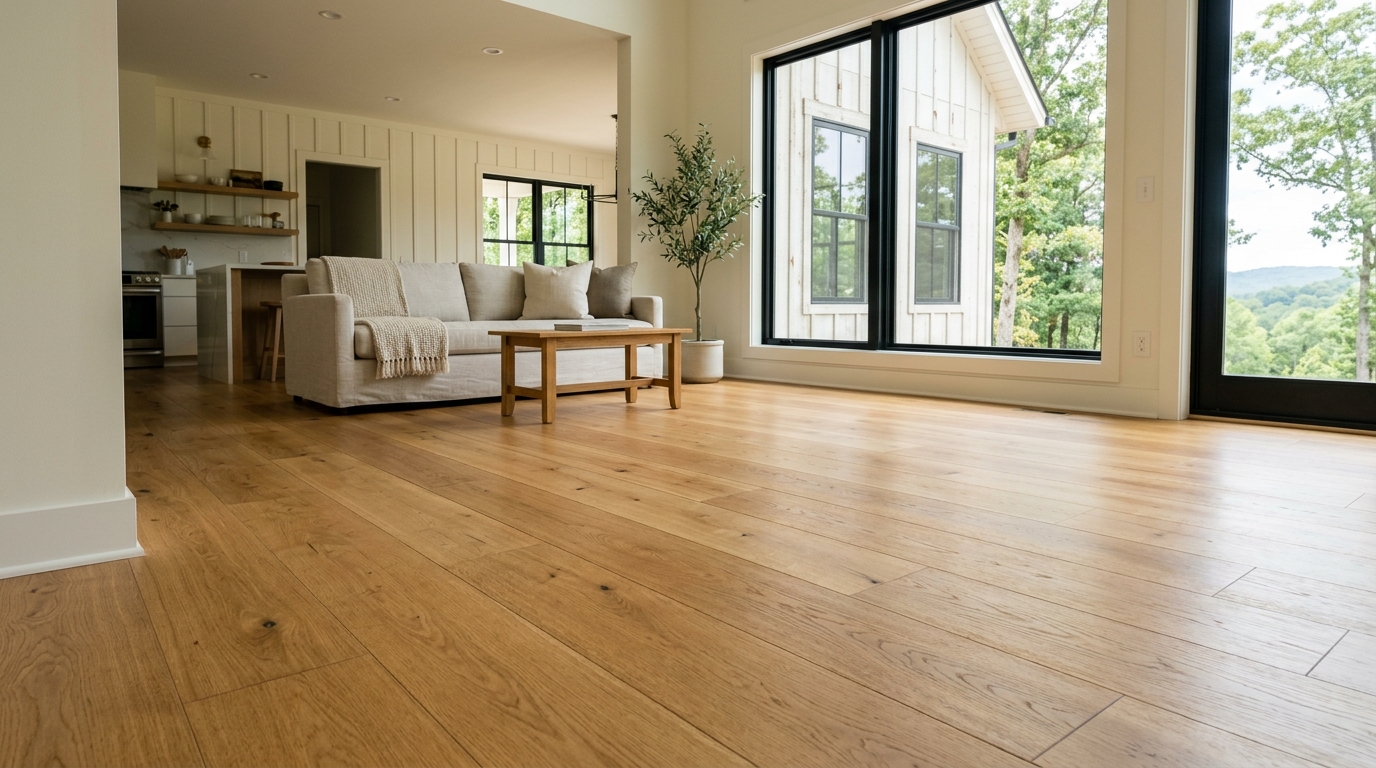 ARArkansas ARArkansas | 60d | 60% | $13,100 | 60 | Read guide |
 MSMississippi MSMississippi | 65d | 60% | $13,000 | 55 | Read guide |
 WVWest Virginia WVWest Virginia | 75d | 60% | $13,100 | 48 | Read guide |
Main atlas
Flooring cost by state
Full 50-state sortable cost table.
Open atlas
ROI atlas
Best ROI flooring picks
Pure recoup %, no velocity weighting.
See ROI
DIY atlas
Best DIY-friendly states
Where you can install floors yourself.
See DIY ranking
Which states reward flooring upgrades fastest at sale?
Top-5 quick-resale states for a 2026 flooring install: Florida (score 148, 30-day median DOM), Texas (score 146, 30-day median DOM), Nevada (score 140, 30-day median DOM), Idaho (score 138, 30-day median DOM), Colorado (score 136, 30-day median DOM). These are hot Sunbelt + Mountain West markets where (a) homes turn over fast, and (b) buyers actively reward turn-key flooring — meaning the upgrade compounds less holding cost AND drives a stronger price premium.
How does flooring affect days-on-market?
Across the US in 2026, new mid-grade flooring cuts median days-on-market by an estimated 3-7 days on comparable listings. In a hot 30-day market that's a 10-23% velocity improvement; in a slower 60-day market it's only 5-12%. The velocity premium matters most for flip-house investors paying carrying costs daily — at $40-$60/day in holding cost (mortgage interest, taxes, utilities, insurance), saving 5 days = $200-$300, saving 7 days = $280-$420.
What's the best flooring choice for a flip house?
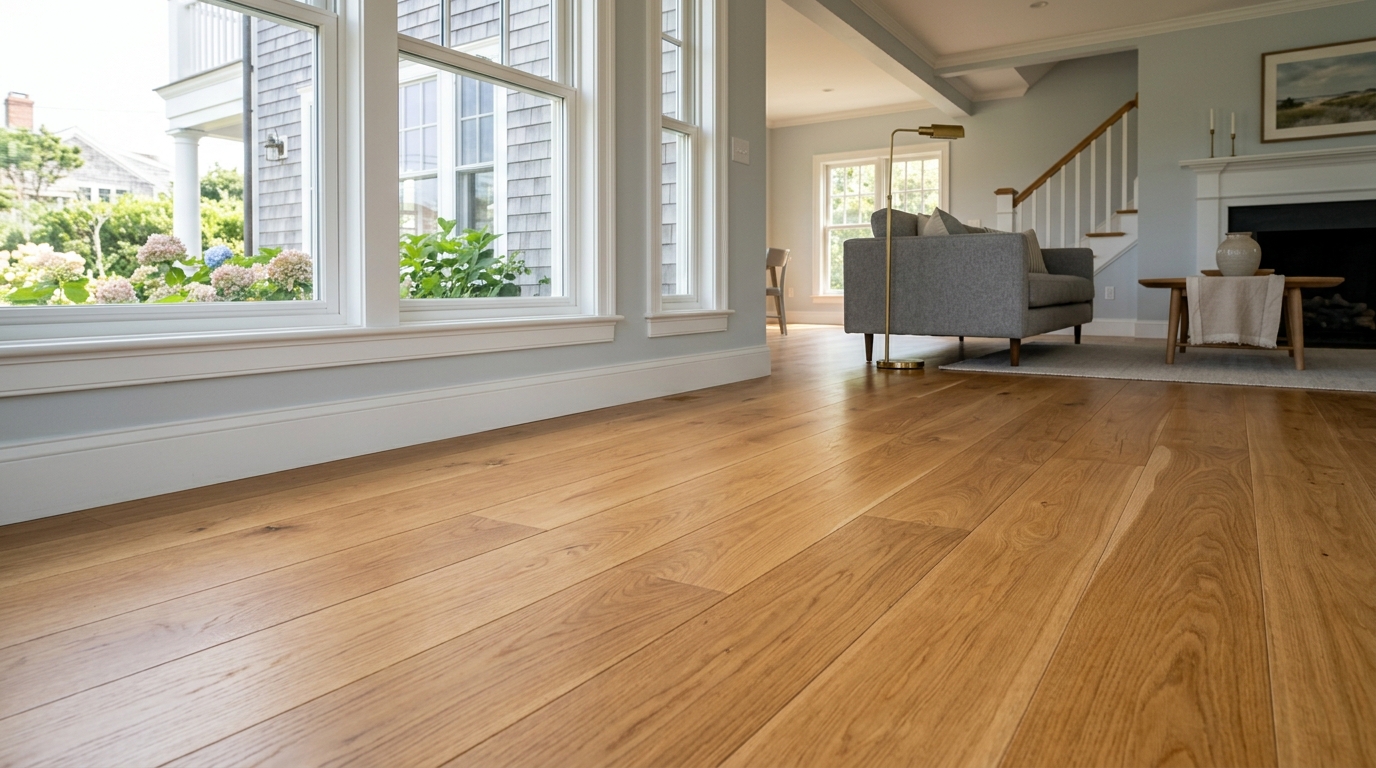
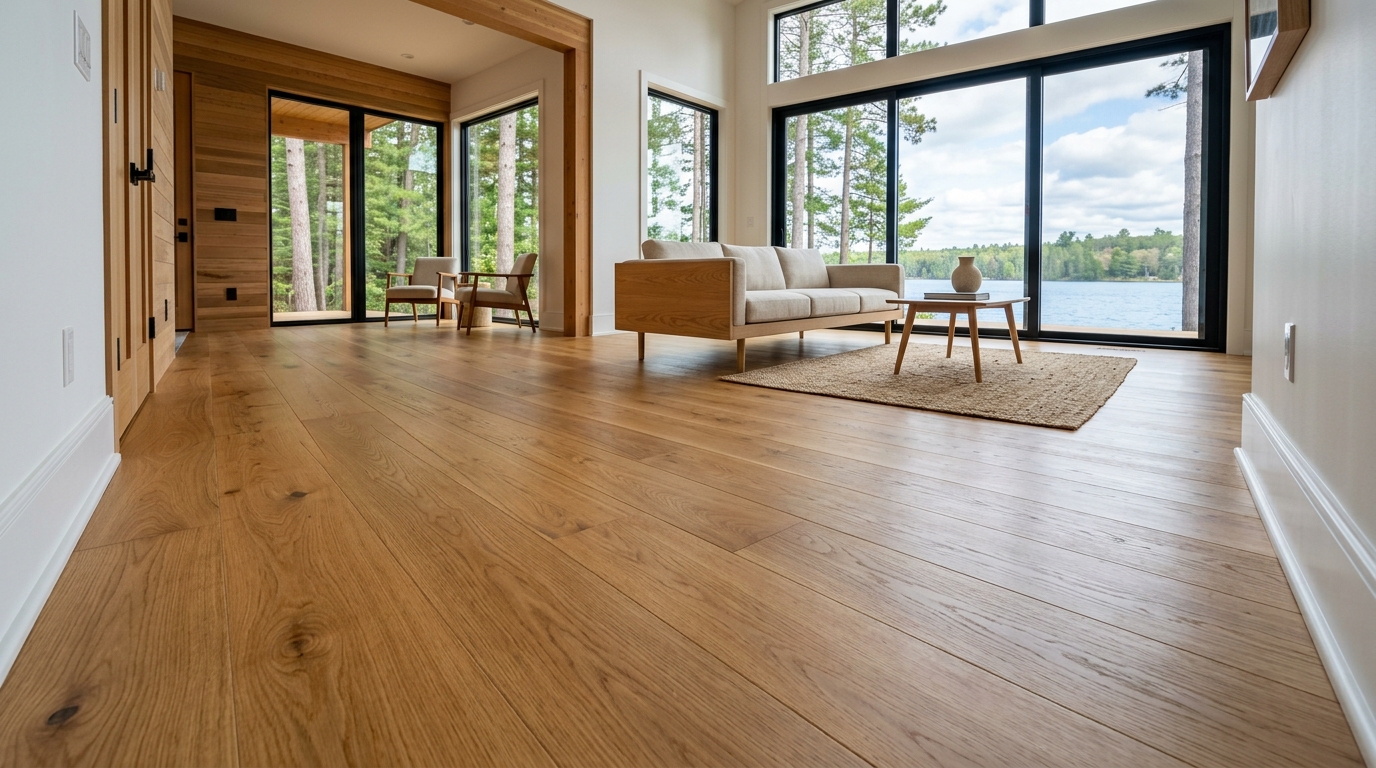
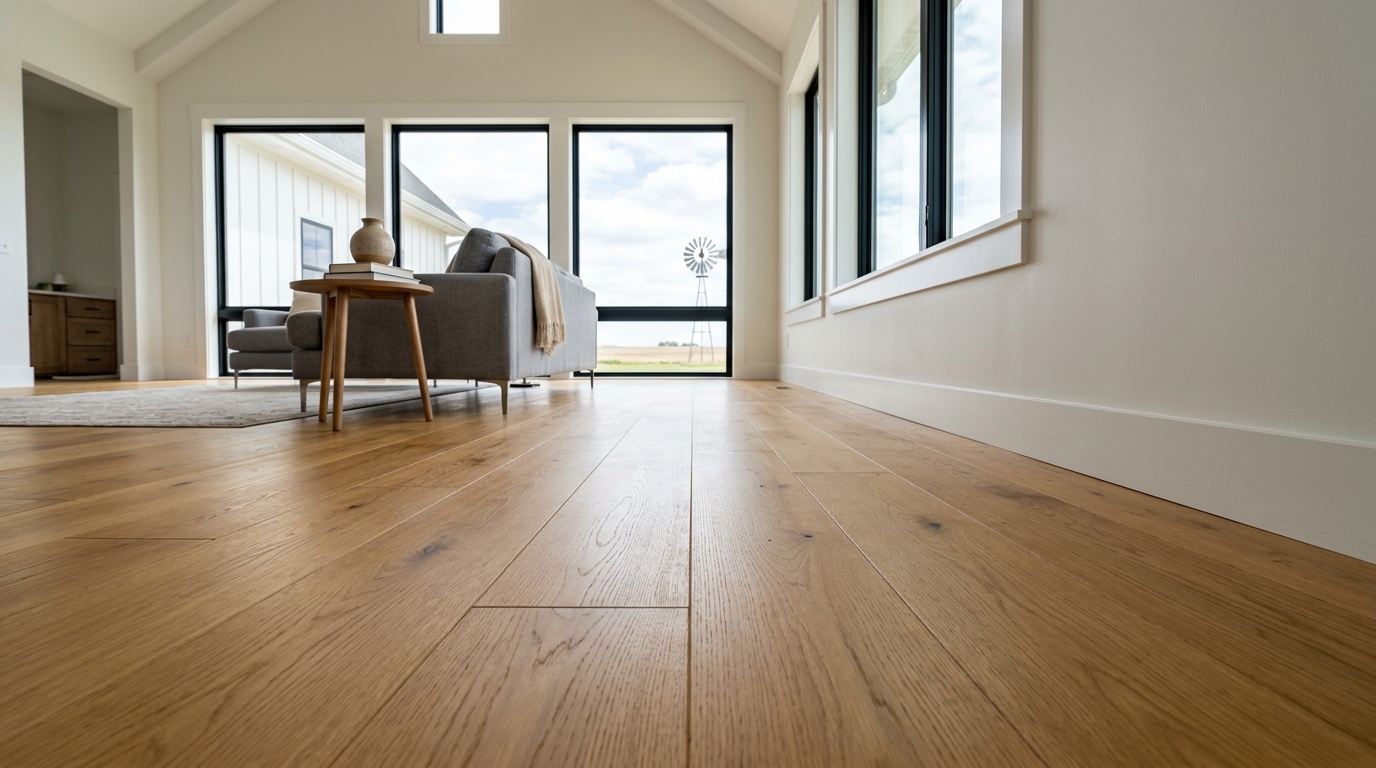
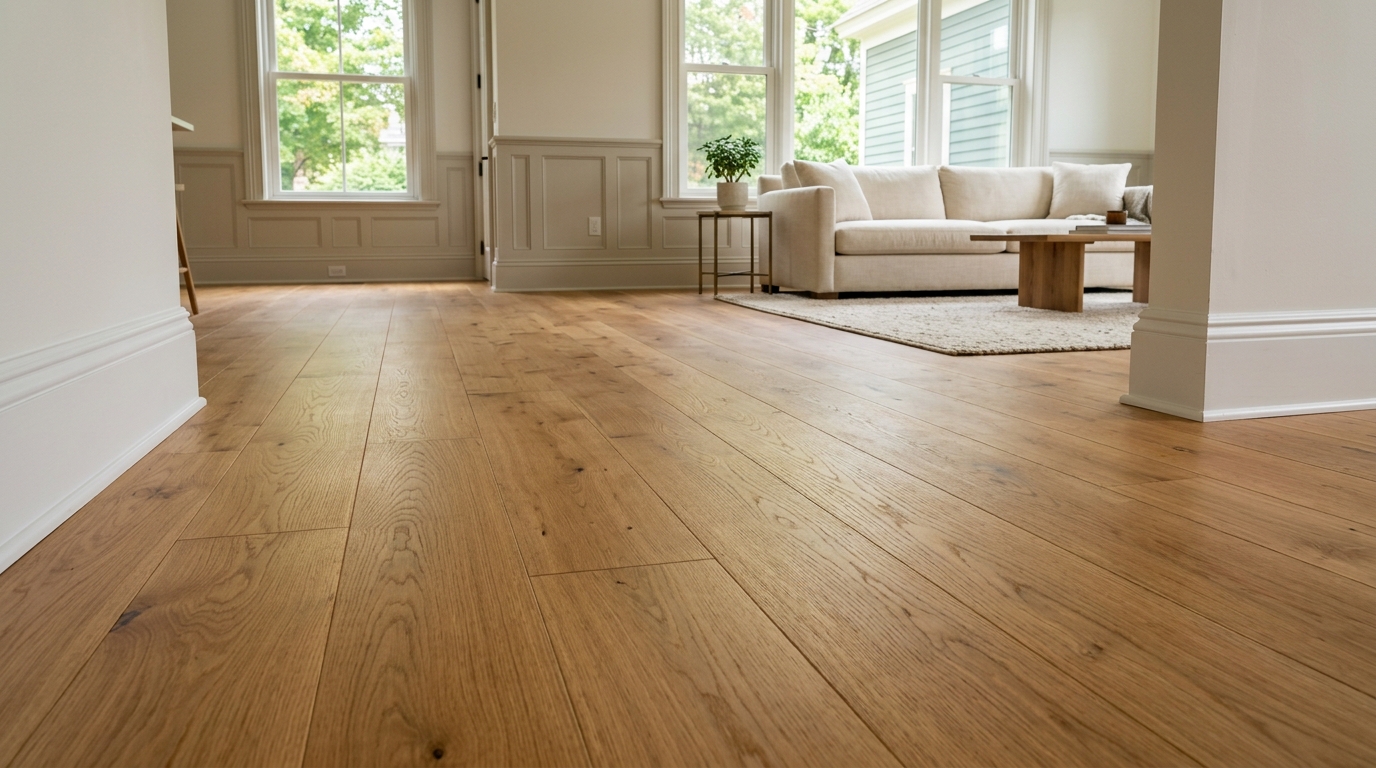
Luxury vinyl plank (LVP) in a light or mid-tone oak wins almost every flip-house comparison: lowest install cost, fastest installation timeline (2-3 days for a full single-family), most-forgiving subfloor, and buyer-friendly aesthetic that doesn't lock the listing into a single taste profile. Engineered hardwood adds 2-4 days to the timeline and rarely justifies the extra cost on sub-$400K listings.
Which states should flippers avoid for flooring ROI?
Slow-velocity markets (West Virginia, Mississippi, Wyoming, Alaska, Maine) deliver both lower ROI multipliers AND longer days-on-market, so the flooring investment compounds negative carrying costs. In these markets, the higher-leverage move is usually paint + landscaping (much lower absolute spend, equivalent perceived-quality boost).
How is the quick-resale score calculated?
quickResaleScore = roiPct × min(60 / medianDOM, 2.0) × 100. We take the state's projected flooring ROI (from the ROI atlas), multiply by a velocity premium (60-day baseline ÷ actual median DOM, capped at 2.0× to keep ultra-hot markets from distorting), and scale to a 0-200 index. A score above 100 means the state's velocity is materially helping the flooring investment; below 80 means the slow market is dragging it down.