Atlas variant · DIY edition
Best DIY-friendly states for deck — 2026.
A composite ranking of how easy it is for a homeowner to install deck themselves — combining permit simplicity, big-box retail density (LVP availability + weekend pickup), and build-season length and climate factors. DIY-built deck typically saves 30% of the total cost — see your state-specific savings below.
50 states · DIY scoring per methodology below
| State | Permits | Retail | Climate | DIY score | DIY savings | |
|---|---|---|---|---|---|---|
 TXTexas TXTexas | 8/10 | 9/10 | 10/10 | 89 | ~$6,500 | Read guide |
 AZArizona AZArizona | 7/10 | 8/10 | 9/10 | 79 | ~$6,500 | Read guide |
 GAGeorgia GAGeorgia | 7/10 | 8/10 | 9/10 | 79 | ~$6,200 | Read guide |
 NCNorth Carolina NCNorth Carolina | 7/10 | 8/10 | 9/10 | 79 | ~$6,400 | Read guide |
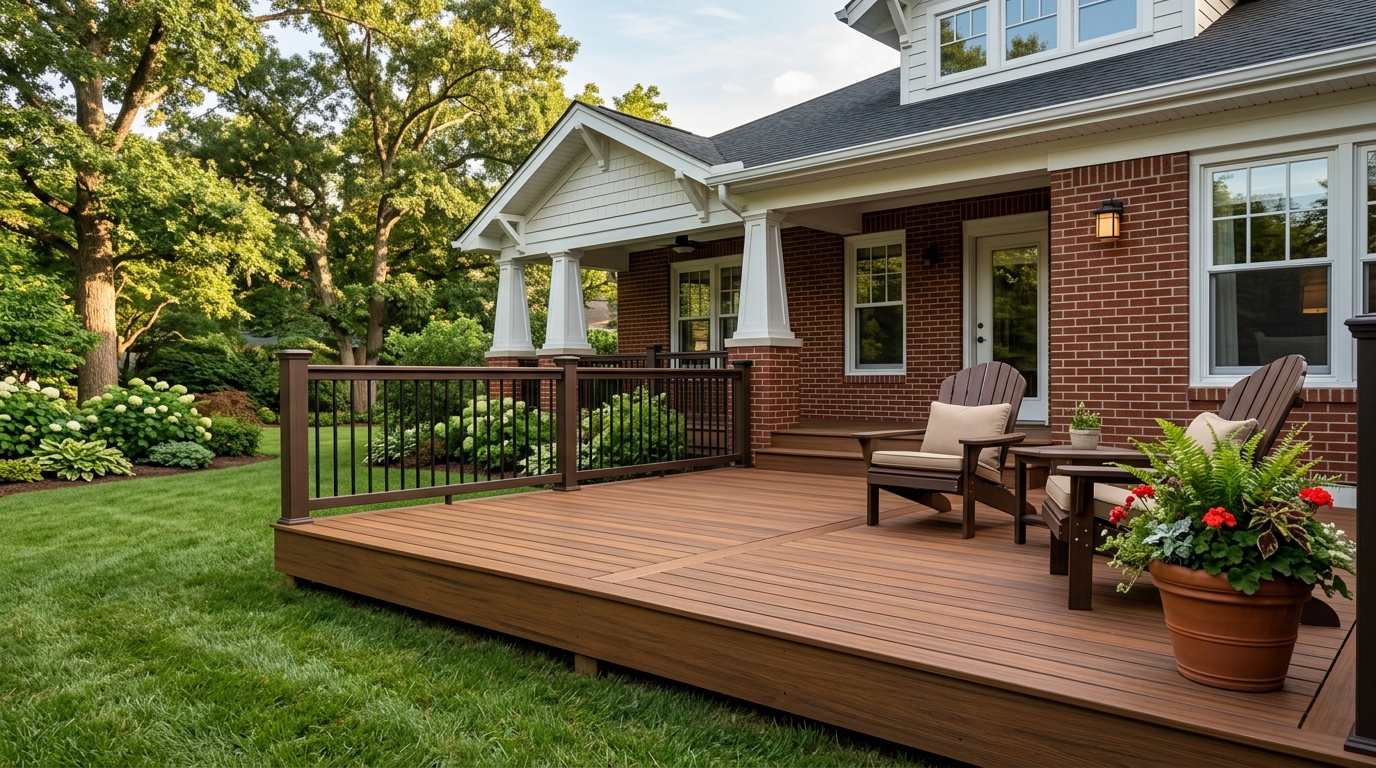 ALAlabama ALAlabama | 8/10 | 6/10 | 9/10 | 77 | ~$5,600 | Read guide |
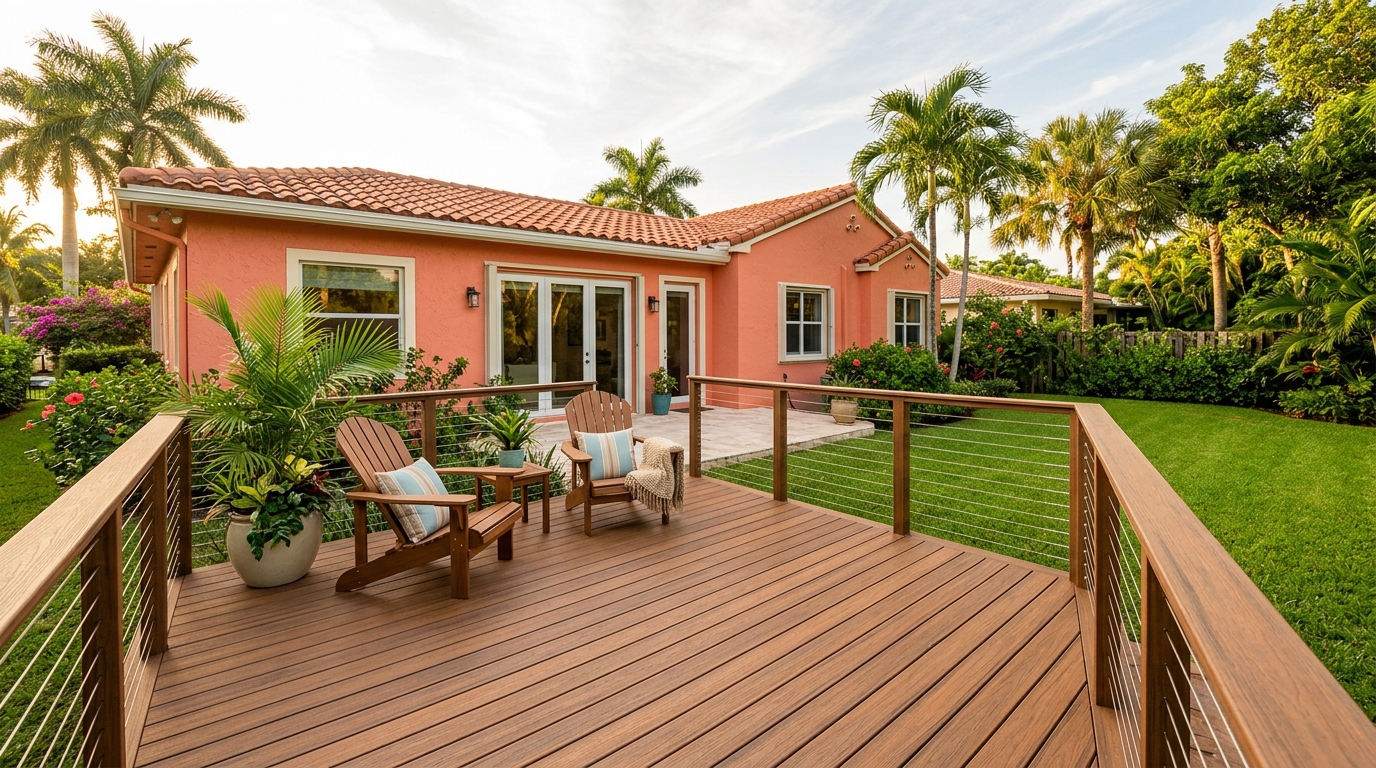 FLFlorida FLFlorida | 5/10 | 9/10 | 10/10 | 77 | ~$6,500 | Read guide |
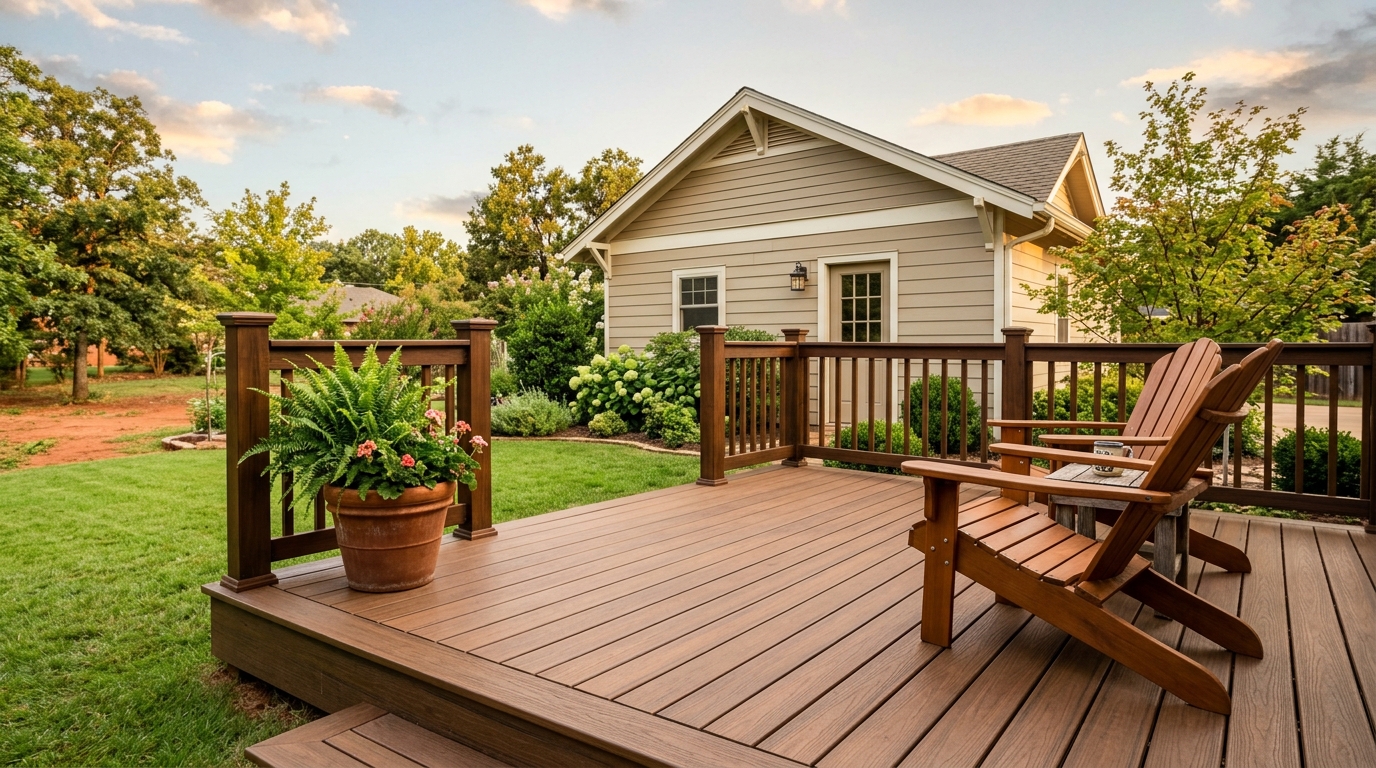 OKOklahoma OKOklahoma | 8/10 | 7/10 | 8/10 | 77 | ~$5,600 | Read guide |
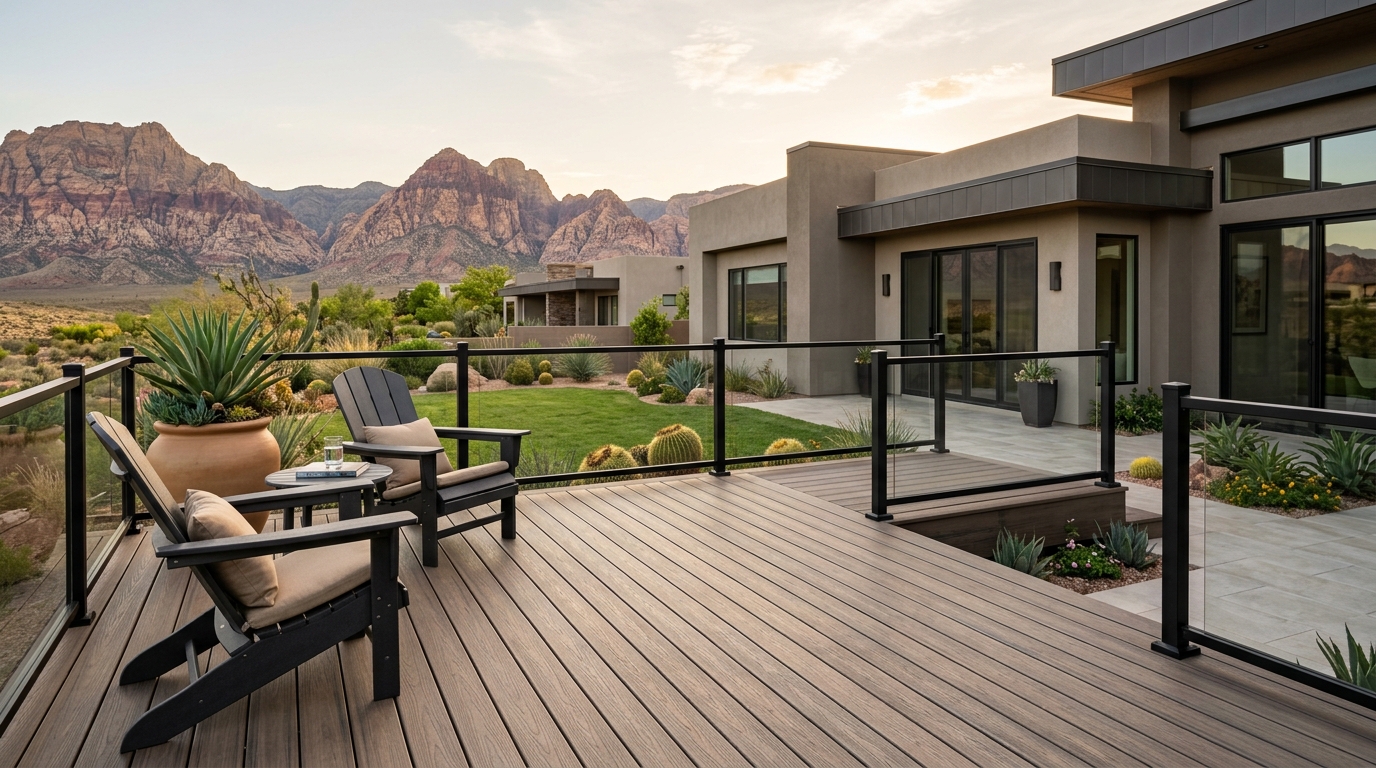 NVNevada NVNevada | 7/10 | 7/10 | 9/10 | 76 | ~$6,800 | Read guide |
 SCSouth Carolina SCSouth Carolina | 7/10 | 7/10 | 9/10 | 76 | ~$6,200 | Read guide |
 ARArkansas ARArkansas | 8/10 | 6/10 | 8/10 | 74 | ~$5,500 | Read guide |
 MSMississippi MSMississippi | 8/10 | 5/10 | 9/10 | 74 | ~$5,400 | Read guide |
 NMNew Mexico NMNew Mexico | 8/10 | 6/10 | 8/10 | 74 | ~$6,100 | Read guide |
 LALouisiana LALouisiana | 7/10 | 6/10 | 9/10 | 73 | ~$6,000 | Read guide |
 TNTennessee TNTennessee | 7/10 | 7/10 | 8/10 | 73 | ~$6,000 | Read guide |
 KSKansas KSKansas | 8/10 | 6/10 | 7/10 | 71 | ~$5,700 | Read guide |
 MOMissouri MOMissouri | 7/10 | 7/10 | 7/10 | 70 | ~$5,900 | Read guide |
 UTUtah UTUtah | 7/10 | 7/10 | 7/10 | 70 | ~$6,600 | Read guide |
 IDIdaho IDIdaho | 8/10 | 6/10 | 6/10 | 68 | ~$6,000 | Read guide |
 NENebraska NENebraska | 8/10 | 6/10 | 6/10 | 68 | ~$5,600 | Read guide |
 INIndiana INIndiana | 7/10 | 7/10 | 6/10 | 67 | ~$5,700 | Read guide |
 KYKentucky KYKentucky | 7/10 | 6/10 | 7/10 | 67 | ~$5,800 | Read guide |
 OHOhio OHOhio | 6/10 | 8/10 | 6/10 | 66 | ~$6,000 | Read guide |
 IAIowa IAIowa | 7/10 | 6/10 | 6/10 | 64 | ~$5,600 | Read guide |
 VAVirginia VAVirginia | 5/10 | 7/10 | 7/10 | 62 | ~$7,000 | Read guide |
 WVWest Virginia WVWest Virginia | 7/10 | 5/10 | 6/10 | 61 | ~$5,500 | Read guide |
 CACalifornia CACalifornia | 3/10 | 8/10 | 8/10 | 60 | ~$9,000 | Read guide |
 MIMichigan MIMichigan | 6/10 | 7/10 | 5/10 | 60 | ~$5,900 | Read guide |
 COColorado COColorado | 5/10 | 7/10 | 6/10 | 59 | ~$7,400 | Read guide |
 PAPennsylvania PAPennsylvania | 5/10 | 7/10 | 6/10 | 59 | ~$6,600 | Read guide |
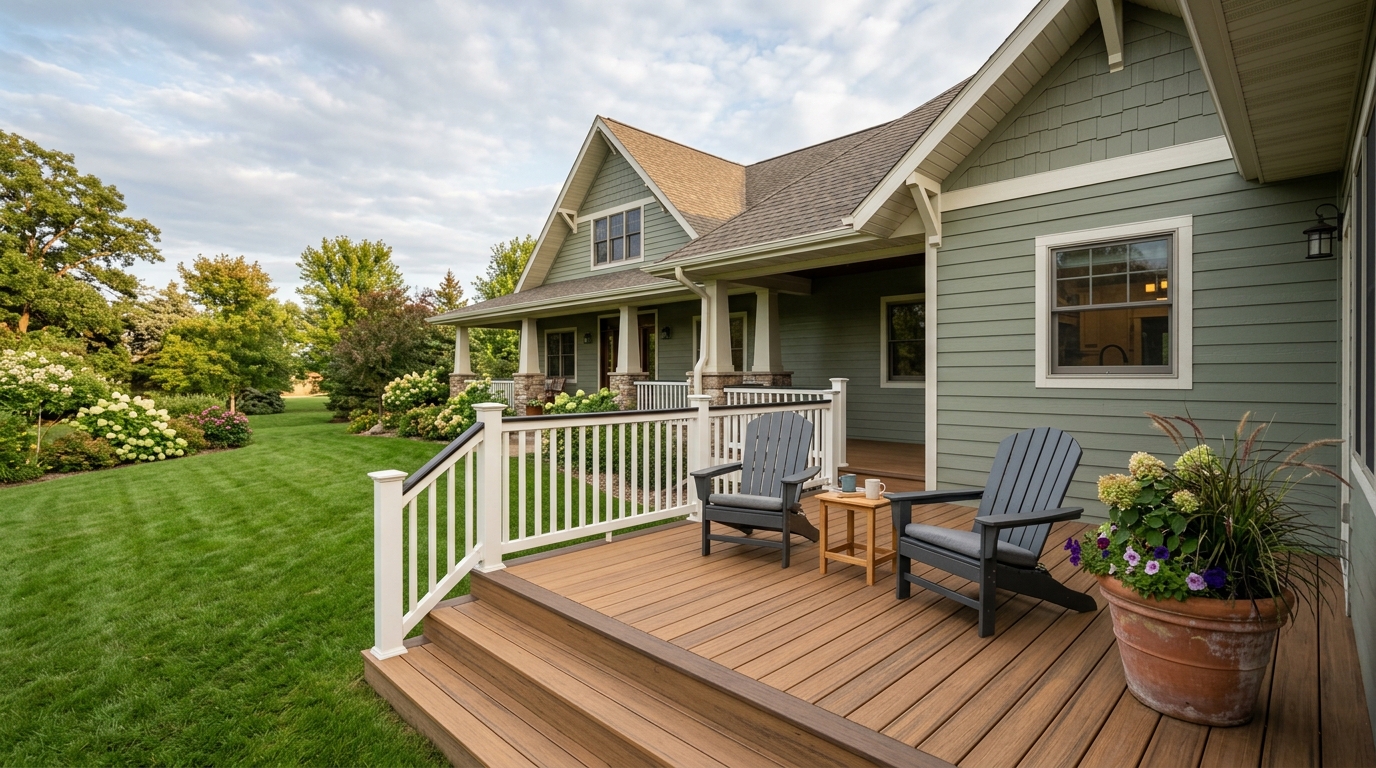 SDSouth Dakota SDSouth Dakota | 8/10 | 4/10 | 5/10 | 59 | ~$5,500 | Read guide |
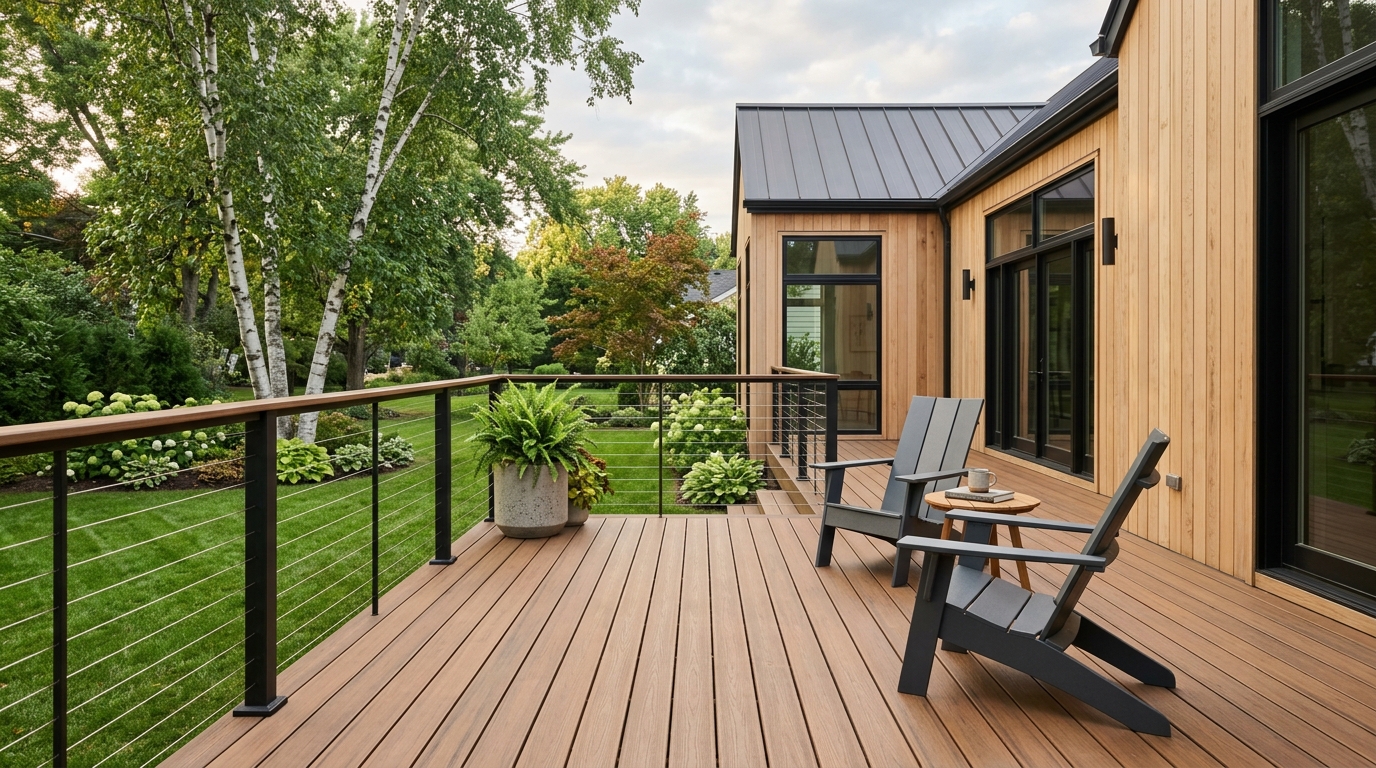 MNMinnesota MNMinnesota | 6/10 | 7/10 | 4/10 | 57 | ~$6,500 | Read guide |
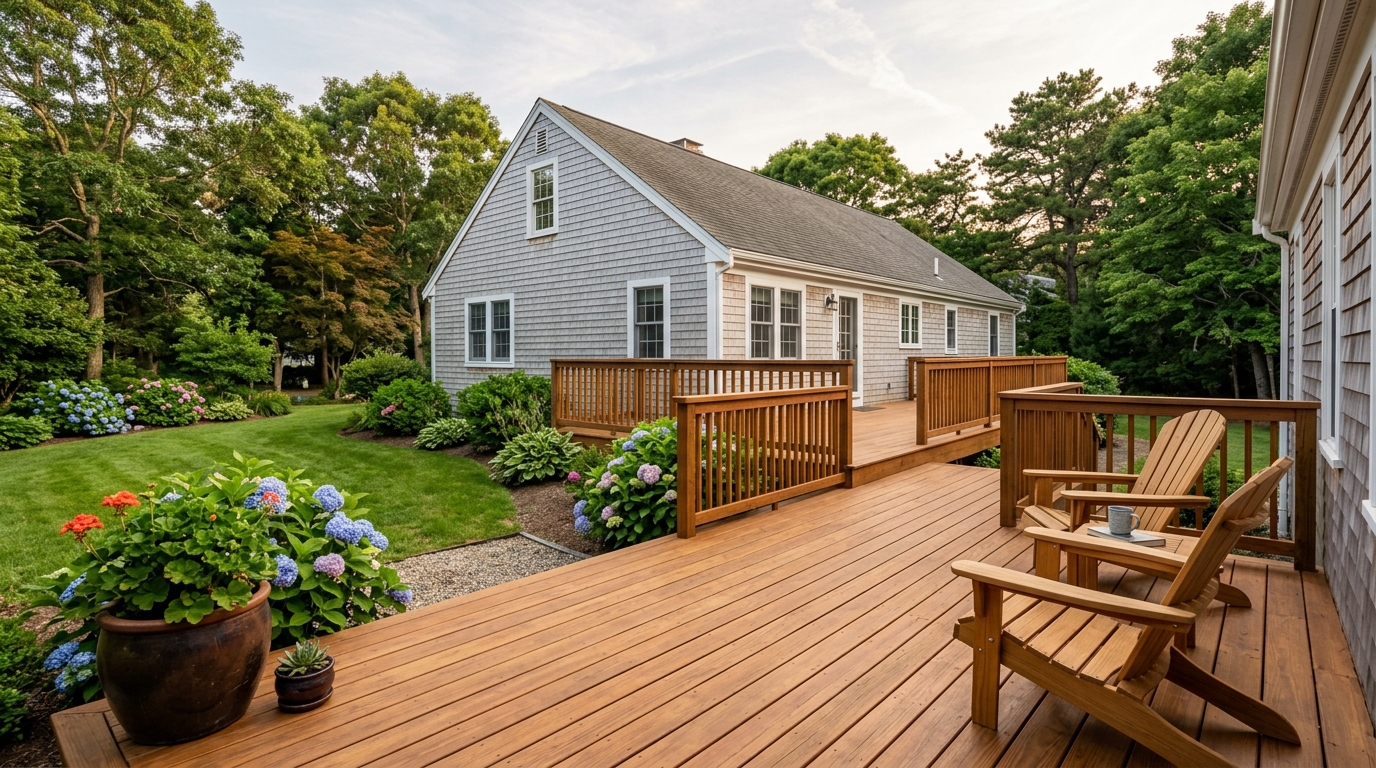 DEDelaware DEDelaware | 5/10 | 6/10 | 6/10 | 56 | ~$6,800 | Read guide |
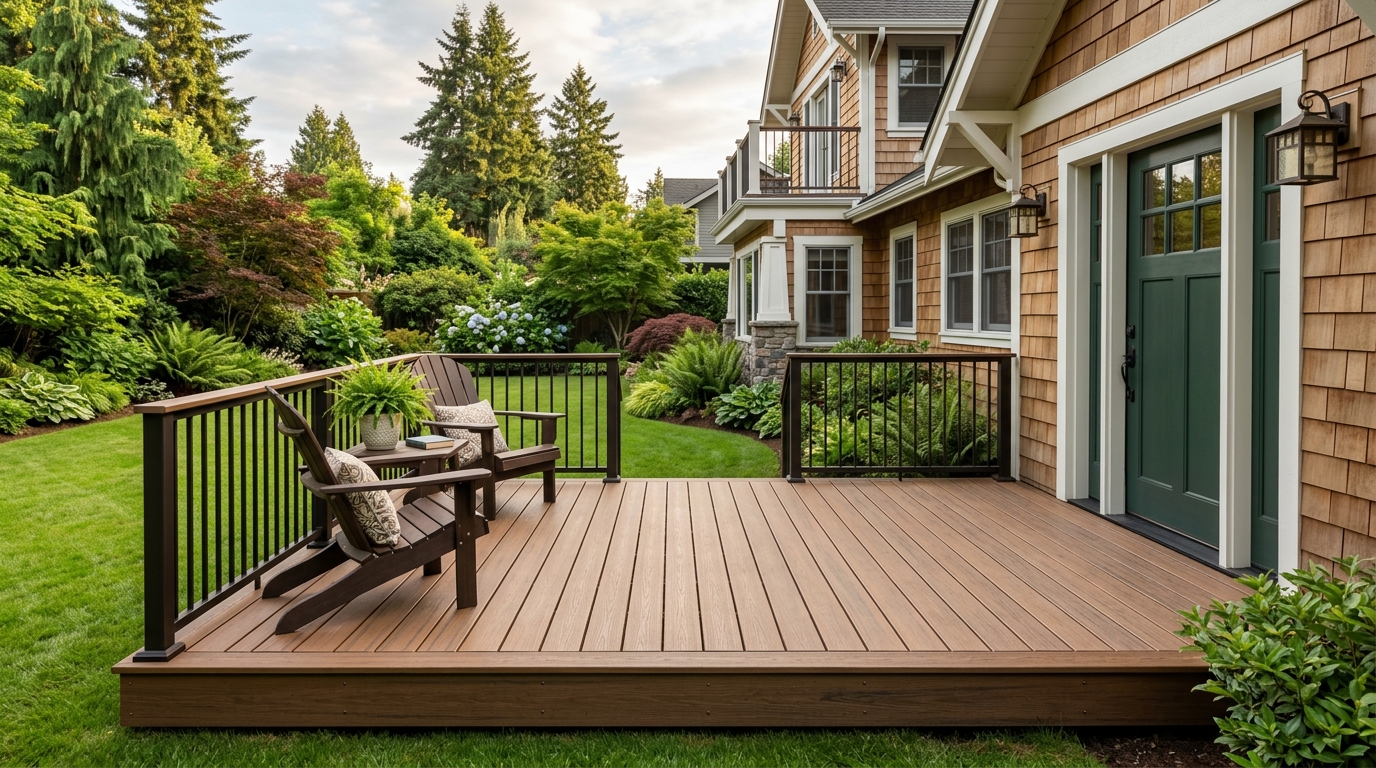 OROregon OROregon | 5/10 | 7/10 | 5/10 | 56 | ~$7,200 | Read guide |
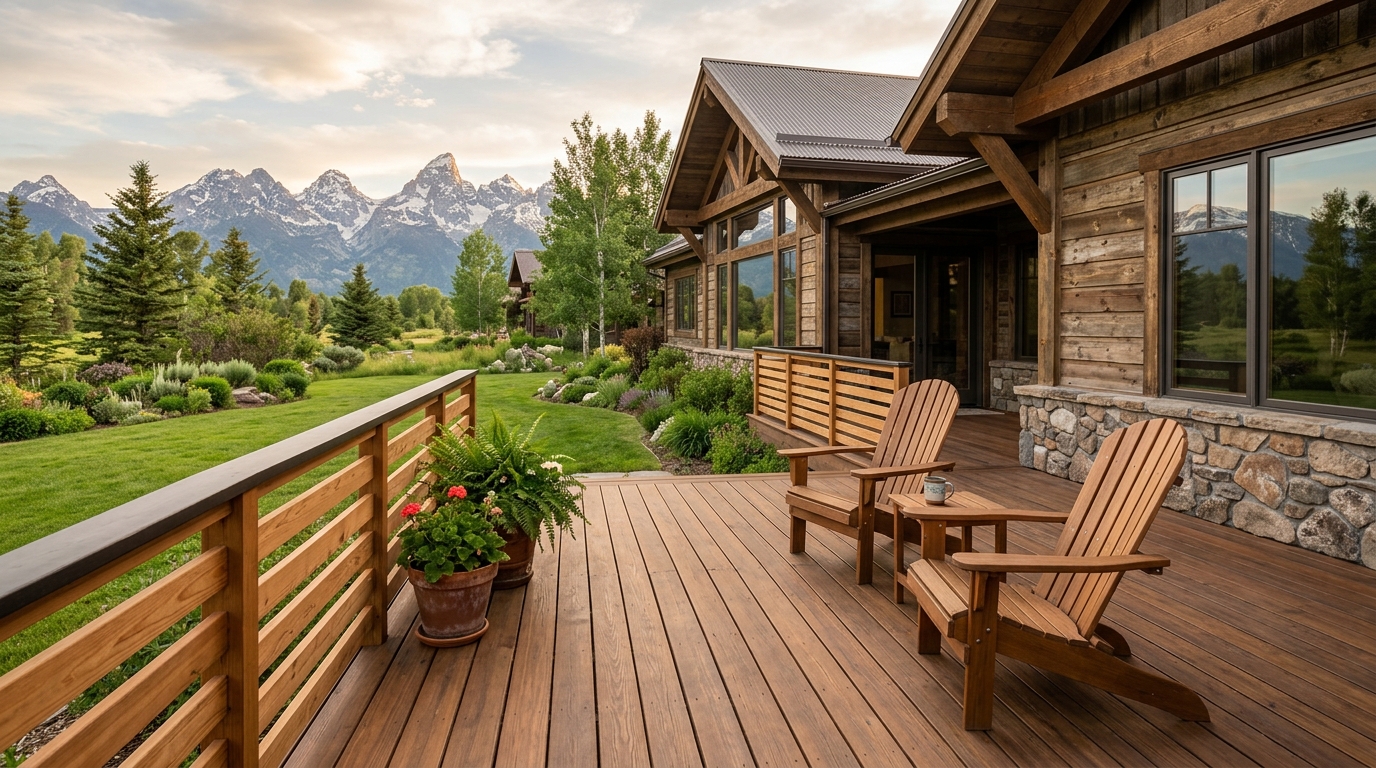 WYWyoming WYWyoming | 8/10 | 3/10 | 5/10 | 56 | ~$6,300 | Read guide |
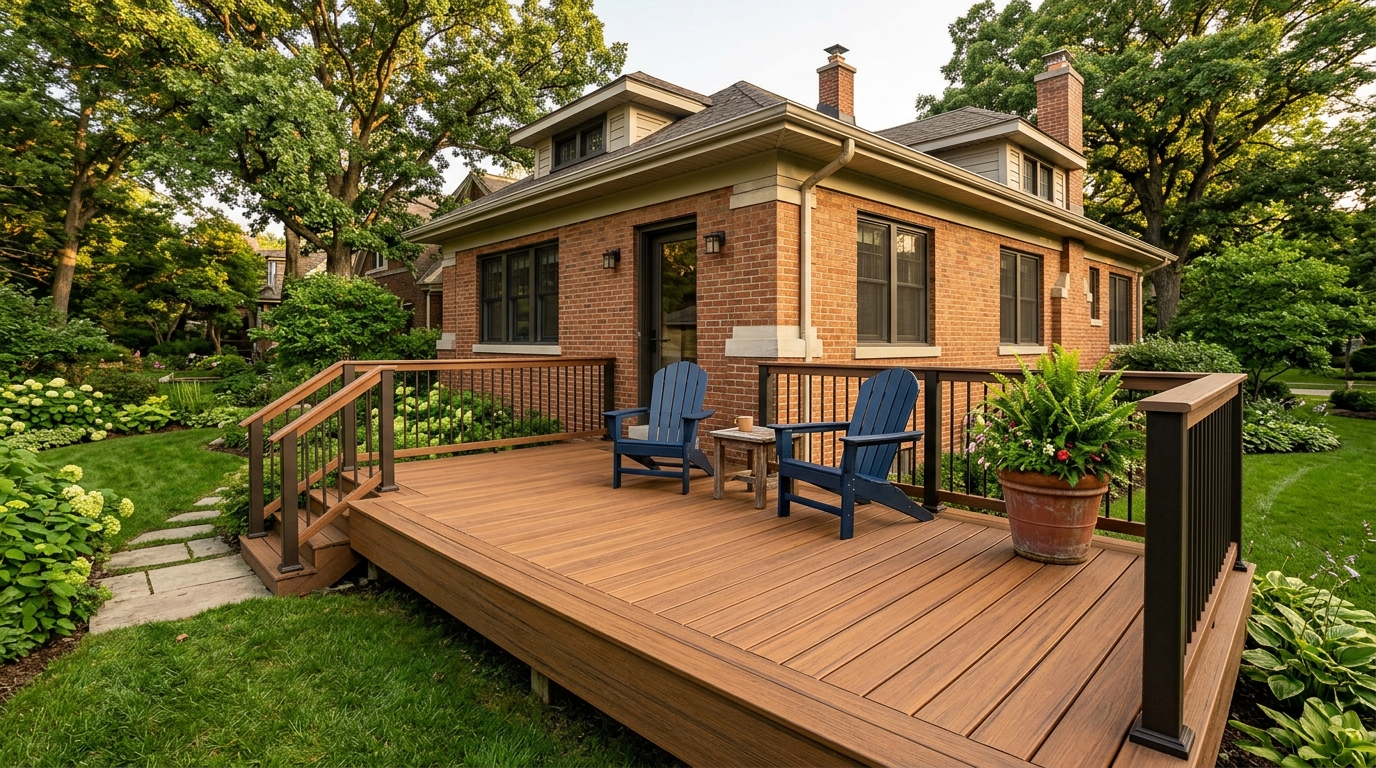 ILIllinois ILIllinois | 4/10 | 8/10 | 5/10 | 55 | ~$6,200 | Read guide |
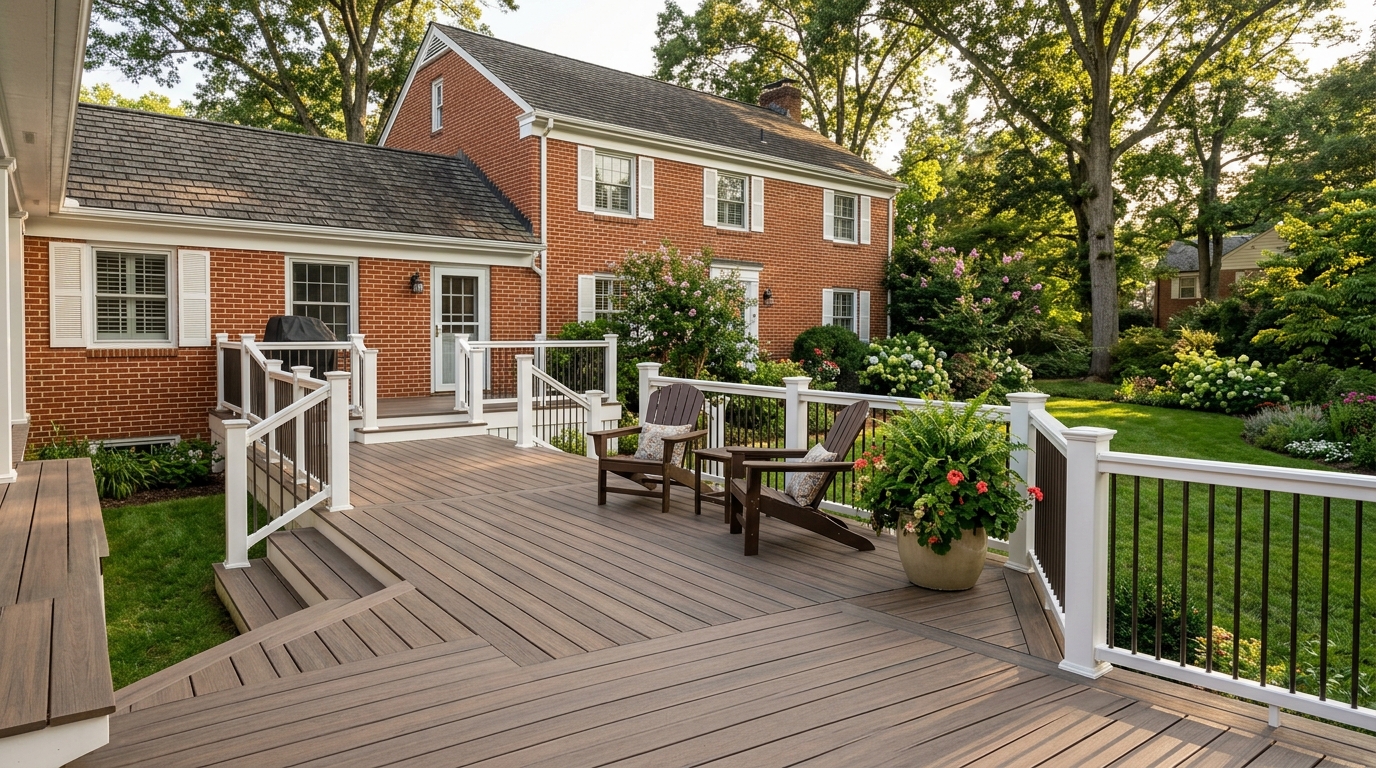 MDMaryland MDMaryland | 4/10 | 7/10 | 6/10 | 55 | ~$7,800 | Read guide |
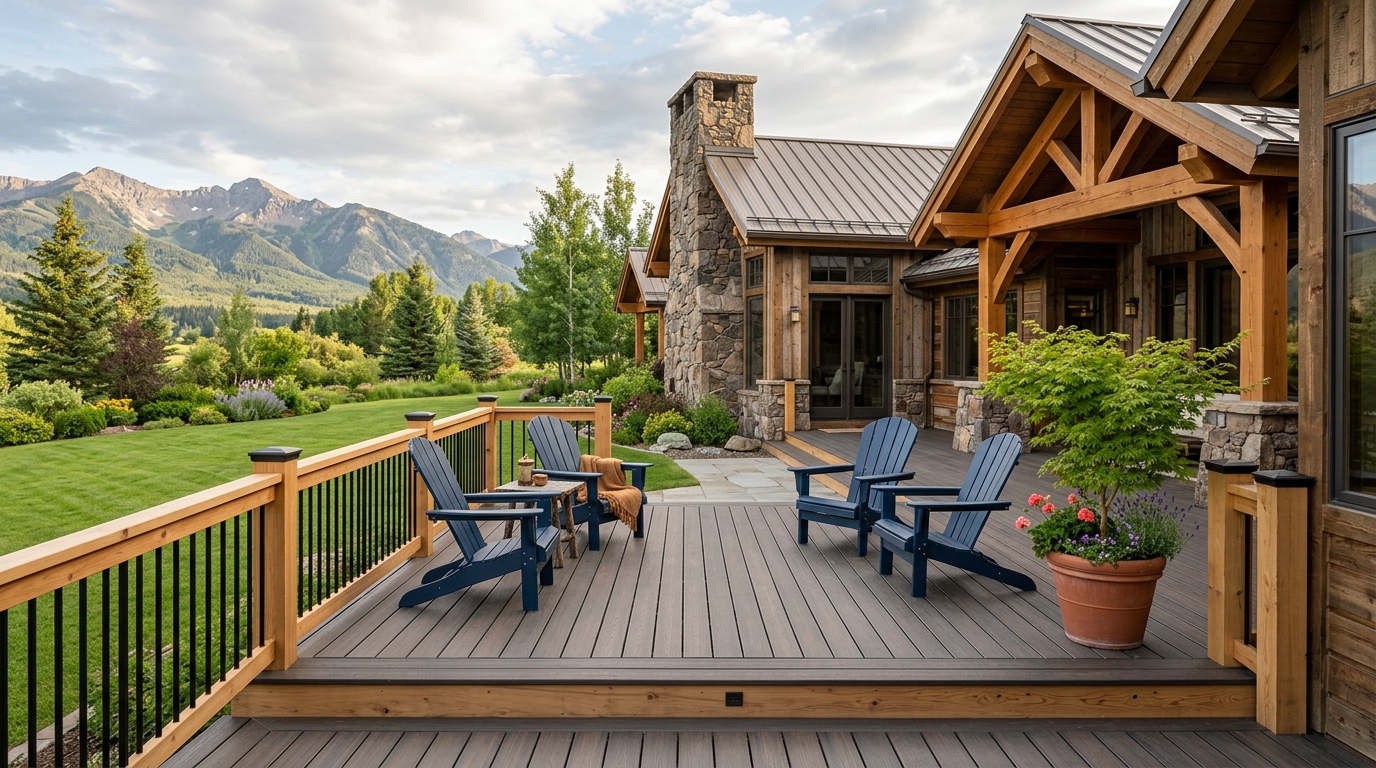 MTMontana MTMontana | 7/10 | 4/10 | 5/10 | 55 | ~$6,300 | Read guide |
 NJNew Jersey NJNew Jersey | 4/10 | 7/10 | 6/10 | 55 | ~$8,300 | Read guide |
 WIWisconsin WIWisconsin | 6/10 | 6/10 | 4/10 | 54 | ~$6,000 | Read guide |
 NDNorth Dakota NDNorth Dakota | 7/10 | 4/10 | 4/10 | 52 | ~$5,600 | Read guide |
 WAWashington WAWashington | 4/10 | 7/10 | 5/10 | 52 | ~$7,600 | Read guide |
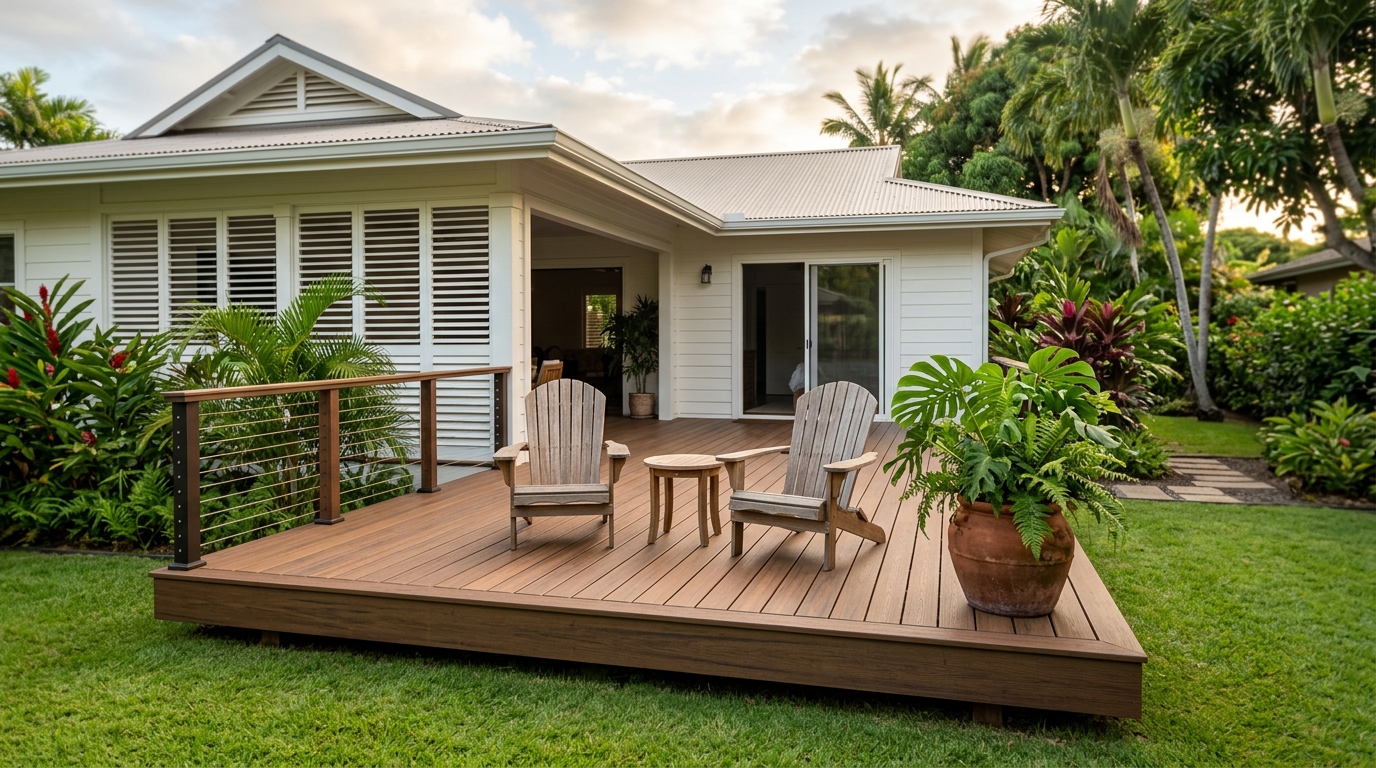 HIHawaii HIHawaii | 3/10 | 4/10 | 9/10 | 51 | ~$10,000 | Read guide |
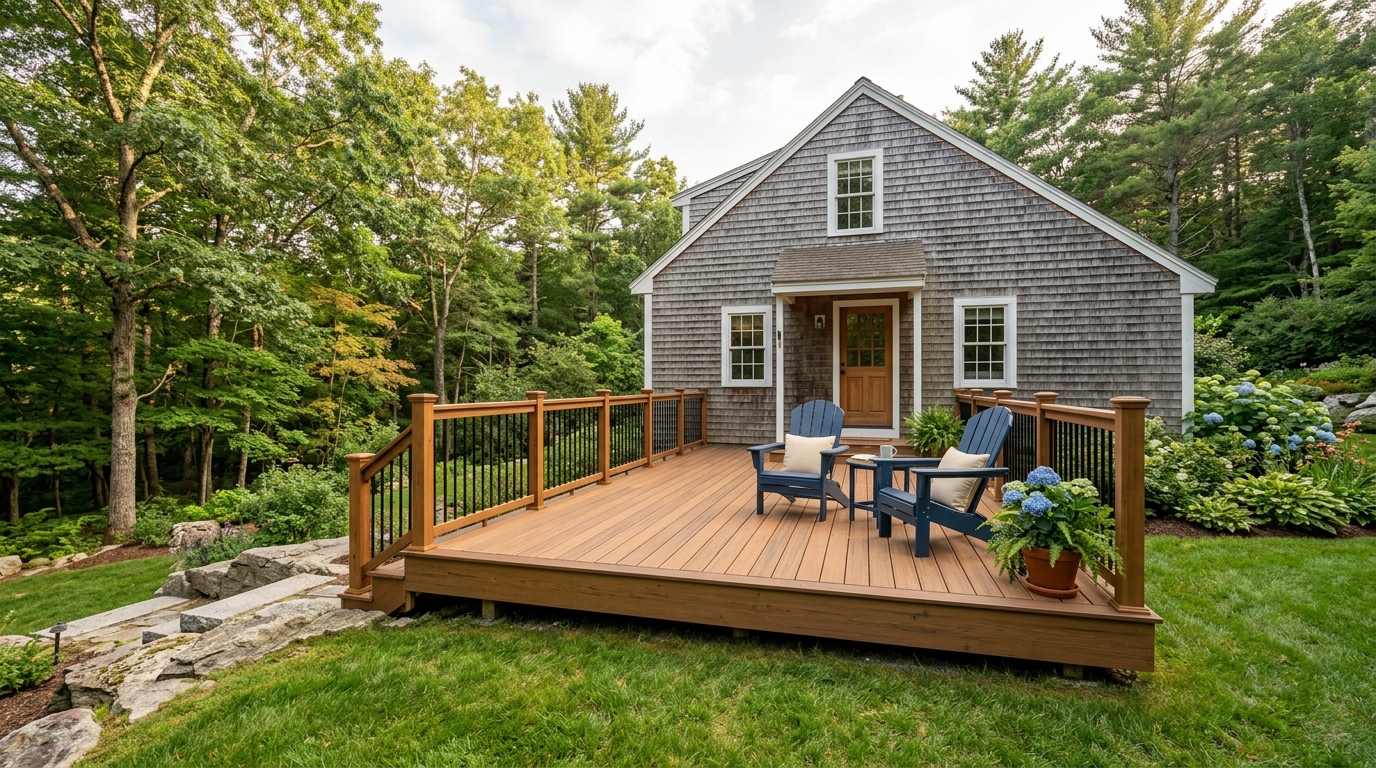 NHNew Hampshire NHNew Hampshire | 5/10 | 5/10 | 5/10 | 50 | ~$7,400 | Read guide |
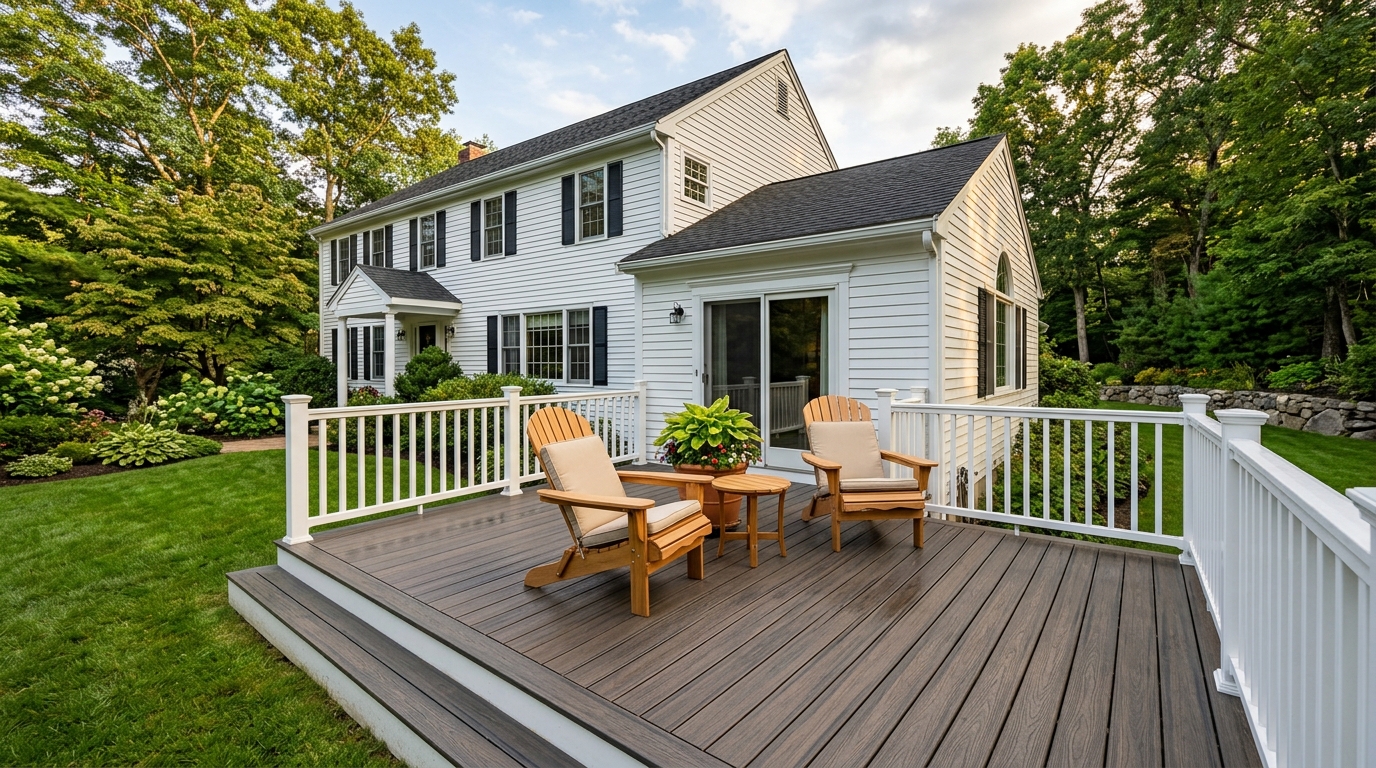 CTConnecticut CTConnecticut | 4/10 | 6/10 | 5/10 | 49 | ~$8,400 | Read guide |
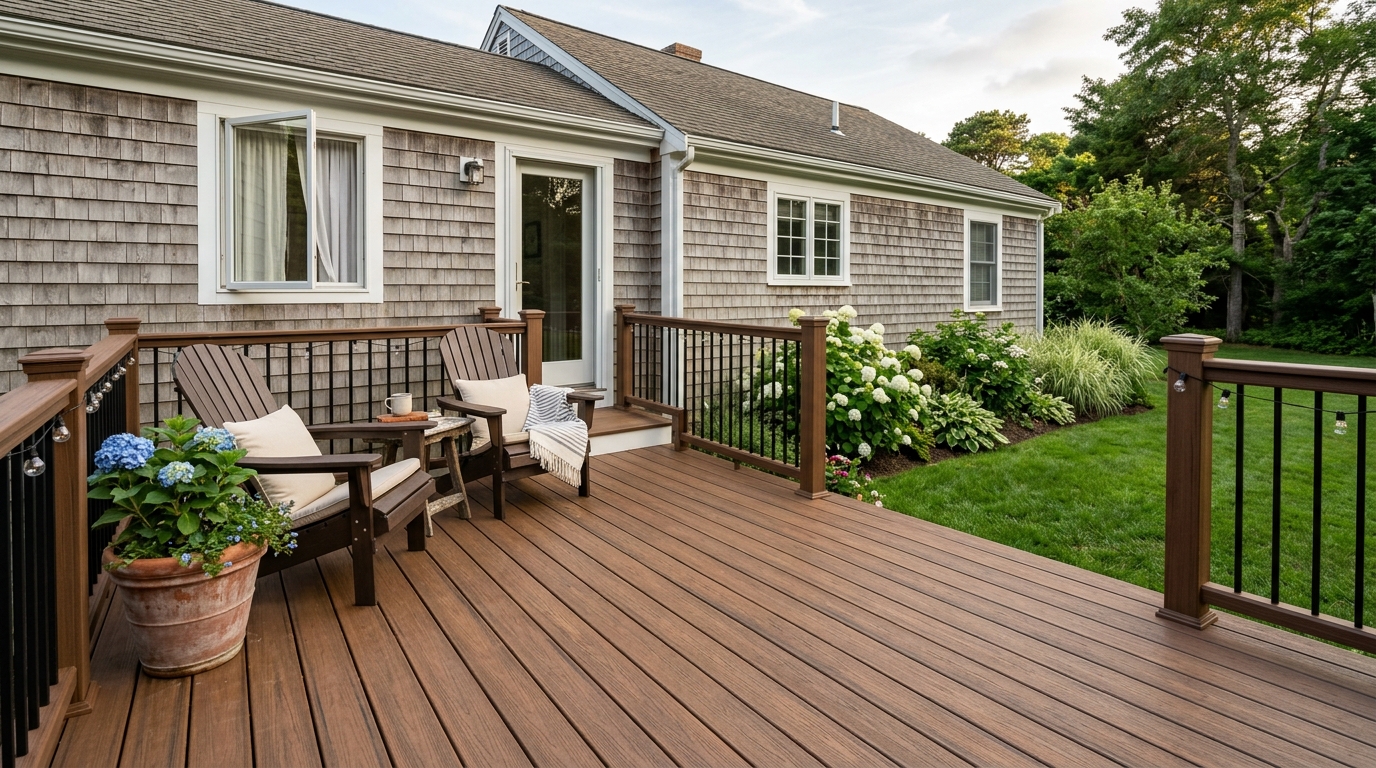 MAMassachusetts MAMassachusetts | 4/10 | 6/10 | 5/10 | 49 | ~$8,500 | Read guide |
 NYNew York NYNew York | 3/10 | 7/10 | 5/10 | 48 | ~$9,000 | Read guide |
 MEMaine MEMaine | 5/10 | 4/10 | 5/10 | 47 | ~$7,200 | Read guide |
 VTVermont VTVermont | 5/10 | 4/10 | 5/10 | 47 | ~$7,100 | Read guide |
 RIRhode Island RIRhode Island | 4/10 | 5/10 | 5/10 | 46 | ~$7,900 | Read guide |
 AKAlaska AKAlaska | 6/10 | 3/10 | 2/10 | 39 | ~$8,800 | Read guide |
Main atlas
Deck cost by state
Full 50-state sortable cost table.
Open atlas
First-time buyer
Cheapest mid-grade states
Pre-filtered to below-midpoint affordable picks.
See cheapest
ROI atlas
Best ROI deck picks
Which states return the most when the home sells.
See ROI
What states are most DIY-friendly for deck in 2026?
The top-5 most DIY-friendly states for a 2026 deck build: Texas (score 89/100), Arizona (score 79/100), Georgia (score 79/100), North Carolina (score 79/100), Alabama (score 77/100). These states share three traits: streamlined home-rule permitting, dense big-box deck retail (Floor & Decor + LL deck + Home Depot Pro Desk presence within 30 minutes of most metros), and stable subfloor conditions that don't require specialized weatherproofing.
How much can I save by DIY-installing deck?
Labor typically runs 30% of a fully-installed deck cost, so DIY savings on a $15,000 install land around $4,500. Click-lock LVP and laminate are the most DIY-friendly — most homeowners can install 200-300 sqft per weekend without tools beyond a tapping block, utility knife, and pull bar. Tile, hardwood nail-down, and sheet vinyl require materially more skill and tooling.
Do I need a permit to install deck myself?
Most states don't require permits for floor-covering replacement if you're not altering subfloor or structural elements. Exceptions: subfloor replacement (most jurisdictions require a permit), waterproofing changes in bathrooms (often requires permit + inspection), below-grade installs (some basement codes apply). Always check your local building department — even within "easy permit" states, a few municipalities have stricter local rules.
What's the easiest deck material to DIY?
Click-lock luxury vinyl plank (LVP) is the clear answer for 2026. It floats over most subfloors, requires no glue, click-locks tightly enough to be waterproof, and forgives minor subfloor imperfections that would ruin a hardwood or tile install. Most homeowners complete a single-room LVP install in one weekend with sub-$100 in tools.
Which states are the worst for DIY deck?
Hardest-to-DIY states cluster around three factors: strict permitting (CA, NY, MA, NJ, CT — multi-step submissions, sometimes inspector approval for floor changes), climate extremes (HI humidity + lava-rock substrate, AK frost heave), and limited big-box retail density (WY, VT, ND, ME — long drives for material runs). In these states, the cost of contractor labor is often justified by the avoided friction.